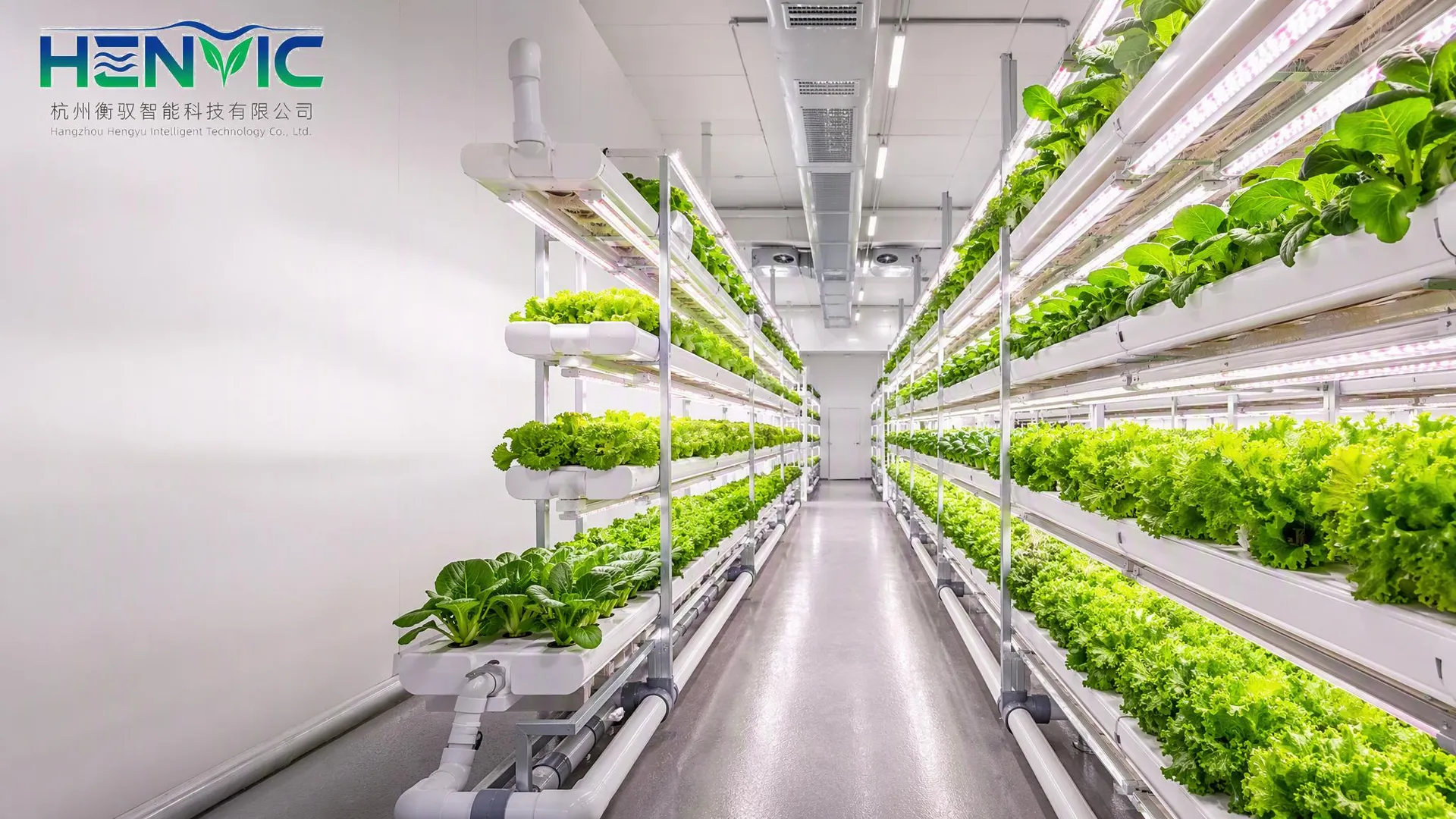
To address the challenges of limited space, environmental fluctuation, and contamination in traditional mushroom farming, containerized cultivation systems have drawn increasing attention globally. This article presents selected international case studies— MycoTenda (Canada), Mushroom Islands (UK), and ShroomGrow (USA)—to showcase how modular container farms leverage precise environmental control, integrated sanitation, and automated management to improve yield stability, biosecurity, and resource efficiency. These cases illustrate the potential of container farming in modern Controlled Environment Agriculture (CEA).
Keywords
container farm; mushroom cultivation; controlled environment agriculture; modular farming; biosecurity
1. Introduction
Containerized mushroom cultivation has emerged as a sustainable alternative within Controlled Environment Agriculture (CEA), supporting year-round production and minimizing exposure to contamination. Different regions have explored distinct container models driven by local challenges such as climate harshness, high real estate costs, and food-safety regulations. The following case studies describe successful deployments in Canada, the United Kingdom, and the United States, highlighting how containerization addresses specific agricultural needs.
2. Case Study 1: MycoTenda in Canada
2.1 Location and Objectives
MycoTenda operates container-based mushroom farms in Ontario, Canada, targeting year-round production of specialty mushrooms, especially oyster and shiitake species. The core objective is to overcome the region's severe winter temperatures and protect crops from external contamination.
2.2 System Design
The farm uses 40-foot insulated shipping containers retrofitted with customized HVAC and humidification systems. HEPA-filtered ventilation maintains a positive internal pressure to keep airborne spores and pests outside. LED lighting schedules simulate seasonal light variations to stimulate consistent fruiting.
2.3 Operational Results
Compared to open greenhouse cultivation, container systems improved biosecurity significantly, reducing mold contamination rates by approximately 40%. The modular layout allowed easy expansion to meet growing market demand without requiring additional farmland.
2.4 Technical Insights
Insulation and efficient heat pumps proved essential in minimizing thermal losses, ensuring stable fruiting temperatures despite external winter severe cold.
3. Case Study 2: Mushroom Islands in the United Kingdom
3.1 Background and Strategy
Mushroom Islands operates in urban districts of London where space is highly constrained and local food demand reaches high levels. To reduce transport distances and provide local fresh produce, the company deployed small modular container farms.
3.2 System Construction
Each farm consists of interconnected insulated containers that support multiple varieties such as lion's mane and enoki mushrooms. The containers are integrated with cloud-based monitoring, allowing real-time environmental adjustments through mobile applications.
3.3 Key Achievements
The container model cut shipping costs for fresh mushrooms by significantly reducing the supply chain length. Water recycling through condensation recovery lowered overall water consumption. Continuous sanitation practices successfully prevented disease outbreaks, maintaining high product quality.
3.4 Lessons Learned
Adapting crop management parameters for densely populated urban settings allows precise control of both odors and airflow. The project demonstrated that container cultivation can balance productivity with environmental responsibility.
4. Case Study 3: ShroomGrow in the United States
4.1 Climate Challenge and Approach
In the Midwest United States, ShroomGrow combats hot summers and humidity fluctuations by implementing standardized container farms. The design prioritizes airflow uniformity, humidity management, and reduced labor costs.
4.2 Controlled Microclimate Management
ShroomGrow containers integrate advanced sensors and automated controls to maintain humidity between 70% and 85% without over-saturating the substrate. Horizontal airflow fans eliminate microclimate zones, ensuring even fruiting across all layers.
4.3 Operational Outcomes
The system yielded consistent mushroom quality and faster production cycles compared to conventional farms. Integrated disinfection technology further protected against airborne diseases, sustaining high marketability for culinary mushrooms.
4.4 Technical Takeaways
Precise humidity control combined with air velocity management is critical to prevent mycelial decay and maximize yields, particularly in climates where ambient humidity varies sporadically.
5. Common Advantages Demonstrated
Across these cases, containerized mushroom cultivation delivers several consistent advantages:
- Enhanced Biosecurity: Positive pressure and HEPA filtration greatly reduce contamination risks.
- Efficient Resource Use: Water condensation recovery lowers consumption.
- Operational Precision: Microclimate controls promote stable, predictable production cycles.
- Resilience to Climate Extremes: Containers buffer against severe external climate conditions.
6. Conclusion
The international case studies of MycoTenda, Mushroom Islands, and ShroomGrow illustrate that containerized mushroom cultivation is a highly adaptable and efficient approach. By providing precise environmental control, enhanced biosecurity, and modularity, container systems support consistent yields across diverse geographic and climatic regions. These experiences confirm the technology's potential to advance modern mushroom production within a rapidly evolving agricultural landscape.