Abstract
Mushroom cultivation is highly sensitive to environmental conditions such as temperature, humidity, light, and air exchange, requiring precise control to ensure high yield and stable quality. Traditional greenhouse cultivation often suffers from poor environmental controllability, high energy consumption, and potential crop contamination risks. In contrast, containerized mushroom cultivation offers advantages such as environmental independence, modularization, and easy standardized operation. This article provides an overview of the design, environmental control mechanisms, cultivation workflow, and key technical considerations for mushroom cultivation containers, and discusses their potential application prospects in the context of modern smart agriculture.
Keywords
mushroom cultivation; containerized farming; environmental control; modular farm; controlled environment agriculture (CEA)
1. Introduction
Mushrooms are valued as nutrient-rich foods and have an ever-growing global market. However, compared to photosynthetic crops, they do not rely on sunlight as an energy source and require a stable, clean micro-environment. Environmental fluctuations, pest infestations, and pathogenic contamination are primary causes of yield reduction in mushroom farming, especially for species such as oyster mushrooms (Pleurotus spp.), shiitake (Lentinula edodes), and reishi (Ganoderma lucidum).
Containerization refers to the use of enclosed or semi-enclosed functional modules to replace conventional open greenhouses for crop production. Its core idea is to apply Controlled Environment Agriculture (CEA) principles to a compact, transportable structure. This article focuses on the application of containerized systems in mushroom cultivation, describing the design, operation, and prospects for this technology.
2. Advantages of Containerized Mushroom Cultivation Systems
Mushroom cultivation containers offer significant technical benefits compared to greenhouses or basement cultivation:
2.1 Superior Environmental Controllability
Container modules provide a sealed physical boundary. CO₂ concentration, airflow velocity, and humidity are controllable within a narrow range through integrated sensors and actuators.
2.2 Biosecurity and Contamination Prevention
Enclosed systems minimize exposure to external pests and airborne contaminants. Positive pressure ventilation further prevents the entry of undesirable spores and insects.
2.3 Modularity and Easy Management
Containers can be arranged to form scalable production units. Standard workflows simplify daily tasks such as moisture spraying and harvesting, reducing manual intervention.
2.4 Resource Efficiency
Containers allow efficient temperature control, saving energy compared to whole-greenhouse conditioning. Additionally, water used for humidification is recycled through condensation recovery.
3. Design Principles and Key Components
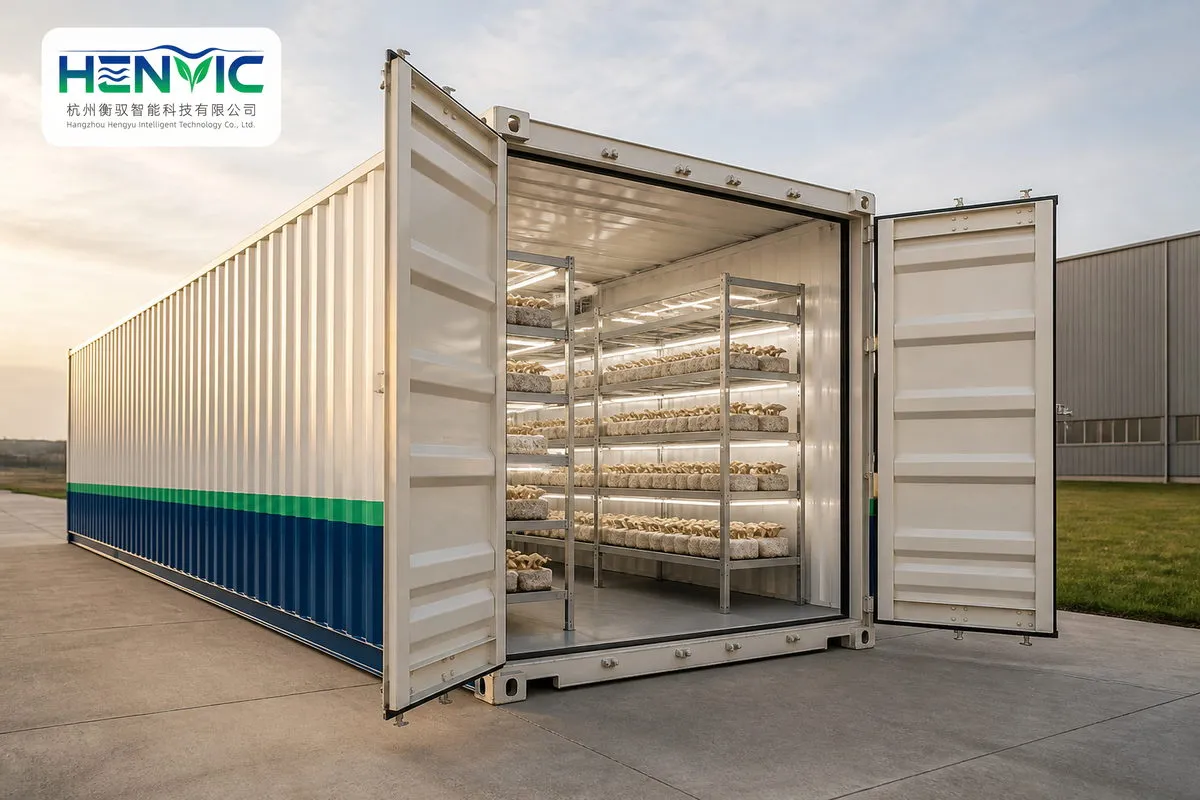
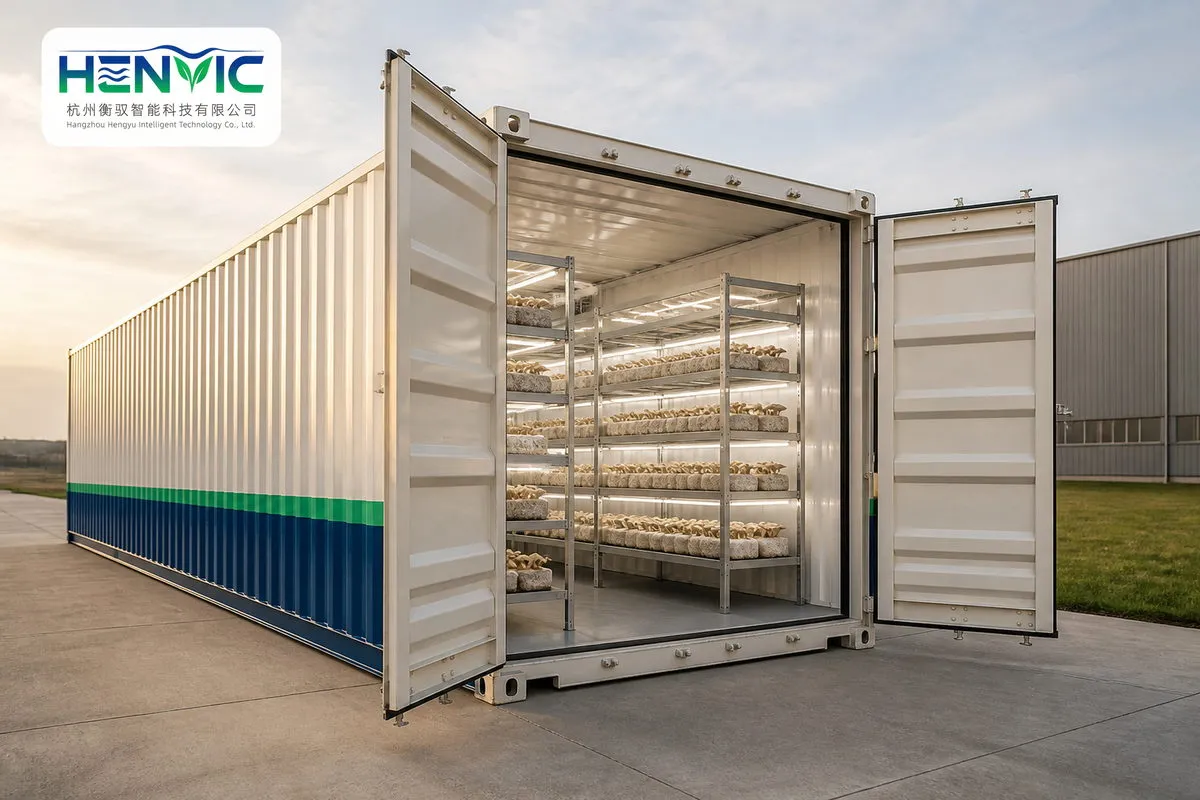
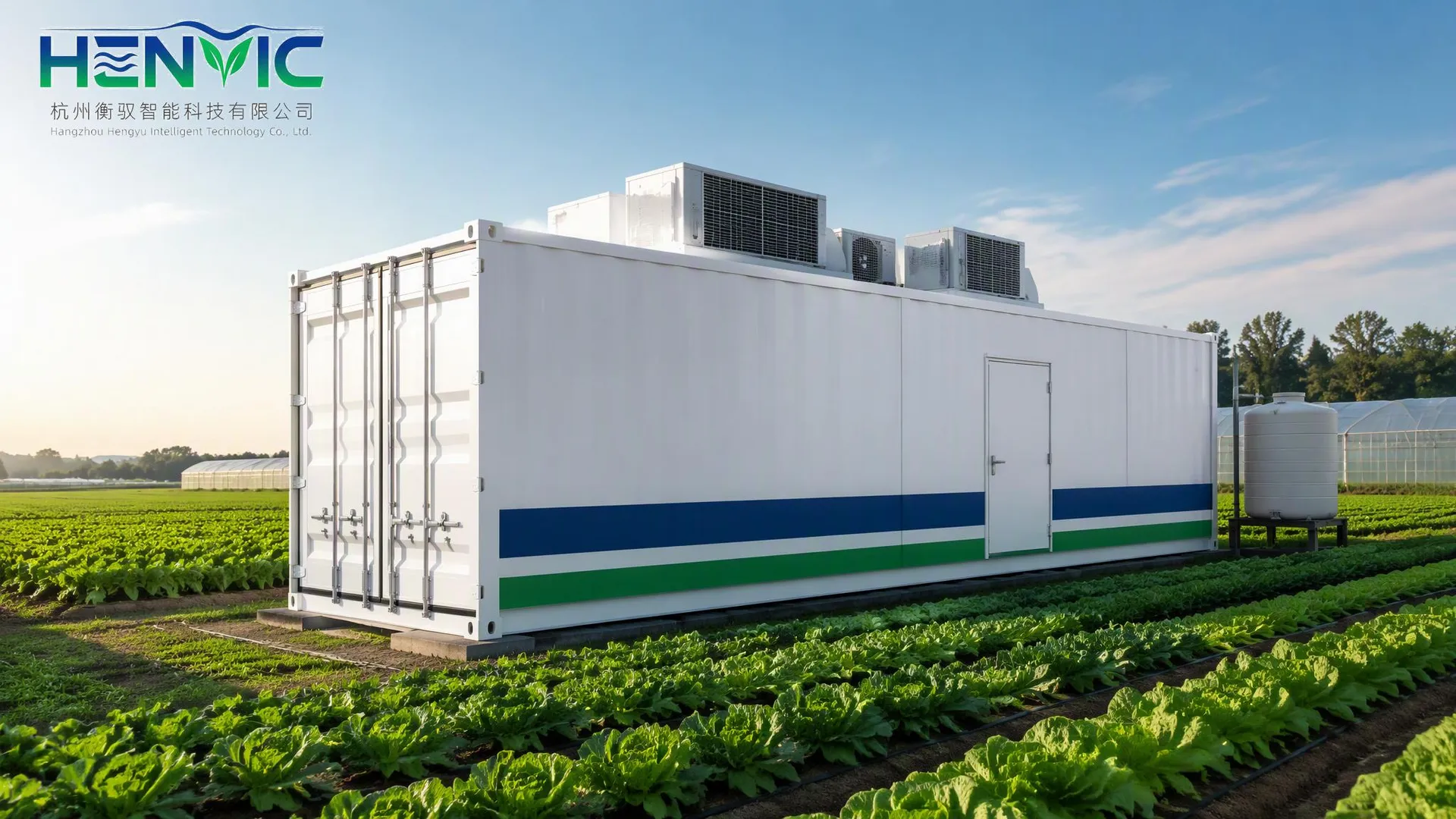
A typical mushroom cultivation container comprises an envelope structure, HVAC subsystems, a water management system, a control system, and cultivation fixtures.
3.1 Envelope Structure
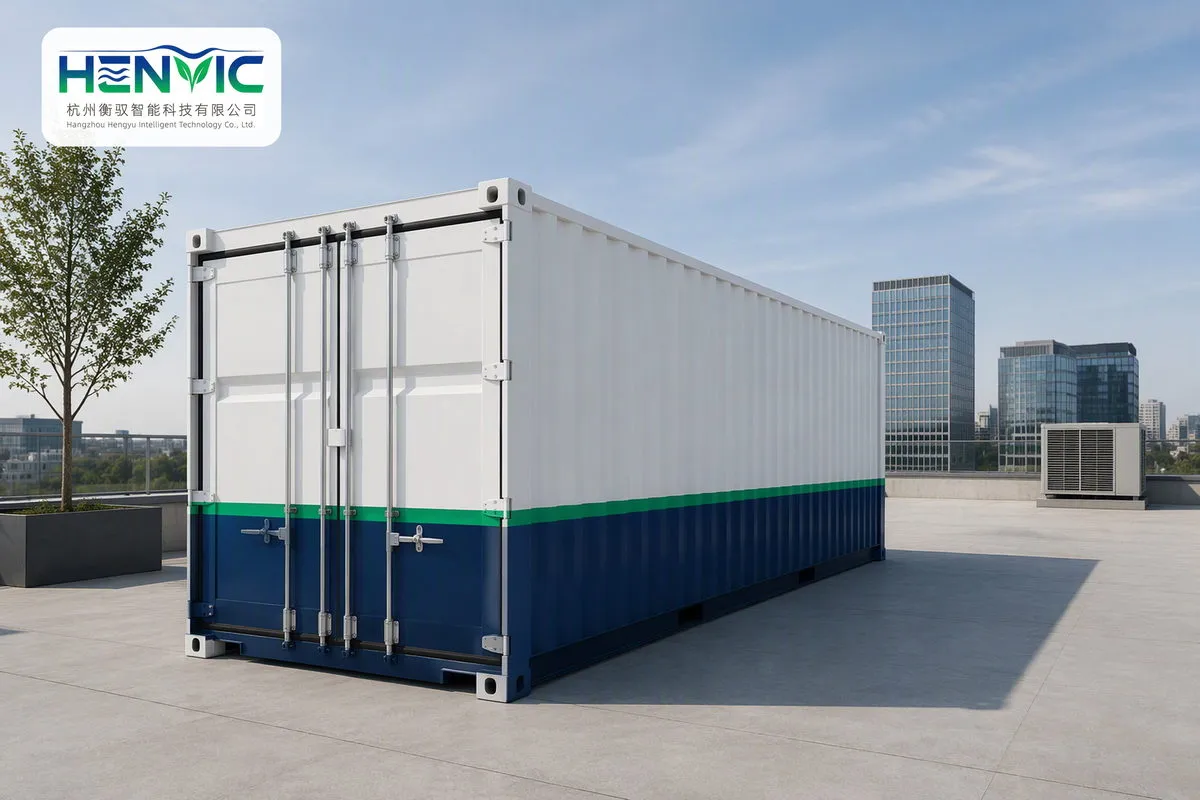
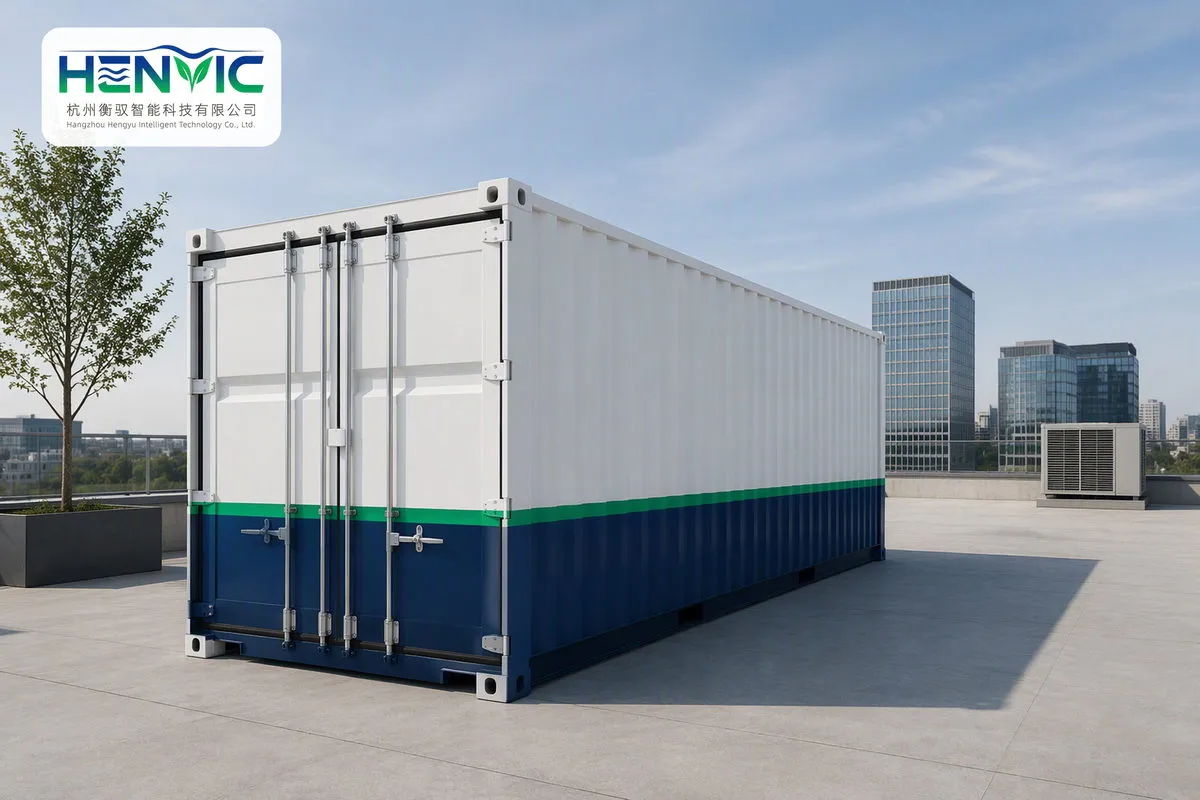
The container shell is typically constructed from thermal insulation materials such as sandwich panels with fire-retardant properties. The interior surfaces are smooth and easy to clean, commonly treated with anti-corrosion coatings to support frequent sanitation.
3.2 Environmental Control Subsystems
Heating, Ventilation, and Air Conditioning (HVAC): Heating and cooling are provided by heat pumps or air conditioning units. Blowers and ducts distribute horizontal airflow to prevent humidity stratification.
Humidification and Dehumidification: Ultrasonic humidifiers and condensing dehumidifiers maintain relative humidity while minimizing water loss.
Air Purification: HEPA filters purify incoming air to establish a clean-room environment suitable for mushroom growth.
Lighting System: LED lighting is used to mimic shaded forest environments, with adjustable spectra and timing to support different biological phases.
3.3 Water Management System
Under stress from traditional atomization, fine water droplets often settle unevenly. Advanced designs typically integrate high-efficiency filtration, automatic pH monitoring, and automated multi-stage irrigation nozzles or drip pipes to ensure uniform surface wetting without over-saturation.
3.4 Control System
An automated controller manages temperature, relative humidity, and CO₂ levels by monitoring feedback signals from sensors. In modern systems, control energy can be adjusted via algorithms or remote cloud interfaces, optimizing daily cycles and operational efficiency.
3.5 Cultivation Fixtures
Internal racks, trays, and shelving maximize the space utilization within the container. Designs allow easy loading and unloading, facilitating automated or semi-automated harvesting.
4. Operation and Management Workflow
The container-based cultivation workflow typically covers the following stages:
4.1 Substrate Preparation and Sterilization
The organic substrate is mixed, formulated, and filled into bags. In a container environment, integrated sterilization units rapidly establish sterile conditions prior to inoculation.
4.2 Inoculation
Spore-free inoculation is performed within the container, ensuring that the post-inoculated bags are immediately placed in a maintained clean atmosphere for rapid mycelium recovery.
4.3 Incubation
In the incubation phase, the container maintains stable temperature and humidity to encourage mycelium growth and colonization of the substrate material.
4.4 Fruiting
In the fruiting stage, air circulation, light intensity, and humidity are adjusted to stimulate primordia initiation. As fruiting bodies develop, environmental parameters are dynamically targeted according to the specific mushroom species to optimize size and uniformity.
4.5 Harvest and Post-Harvest Handling
Mushrooms are harvested at peak maturity. Container environments extend product shelf life by allowing temperature control during handling and packaging.
5. Technical Challenges
While container systems offer benefits, they also present technical challenges:
Heat Removal Load: High-density production increases metabolic heat; comprehensive HVAC sizing is necessary.
Substrate Water-Management Evolution: Continuous adaptation is needed to address the biological demand for moisture gradients across different growth stages.
Initial Investment: Advanced containers and equipment entail higher upfront capital, although they yield operational cost savings over time.
6. Future Prospects
With advancements in automation and biological engineering, containerized mushroom cultivation is evolving towards smart agricultural hubs.
Integration with automated inspection and harvesting systems can further minimize manual labor.
Coupling containerized cultivation with urban waste recycling supports circular economy models.
Data-driven management systems will apply machine learning to predict optimal environmental adjustments based on historical production profiles.
7. Conclusion
Mushroom cultivation containers represent a robust approach for precision, contamination-free mushroom production. Their capability to precisely regulate micro-environments transforms biology-driven cultivation into a controllable industrial process. As automation matures and costs decrease, such systems will become increasingly vital in sustaining reliable mushroom production under changing environmental conditions.