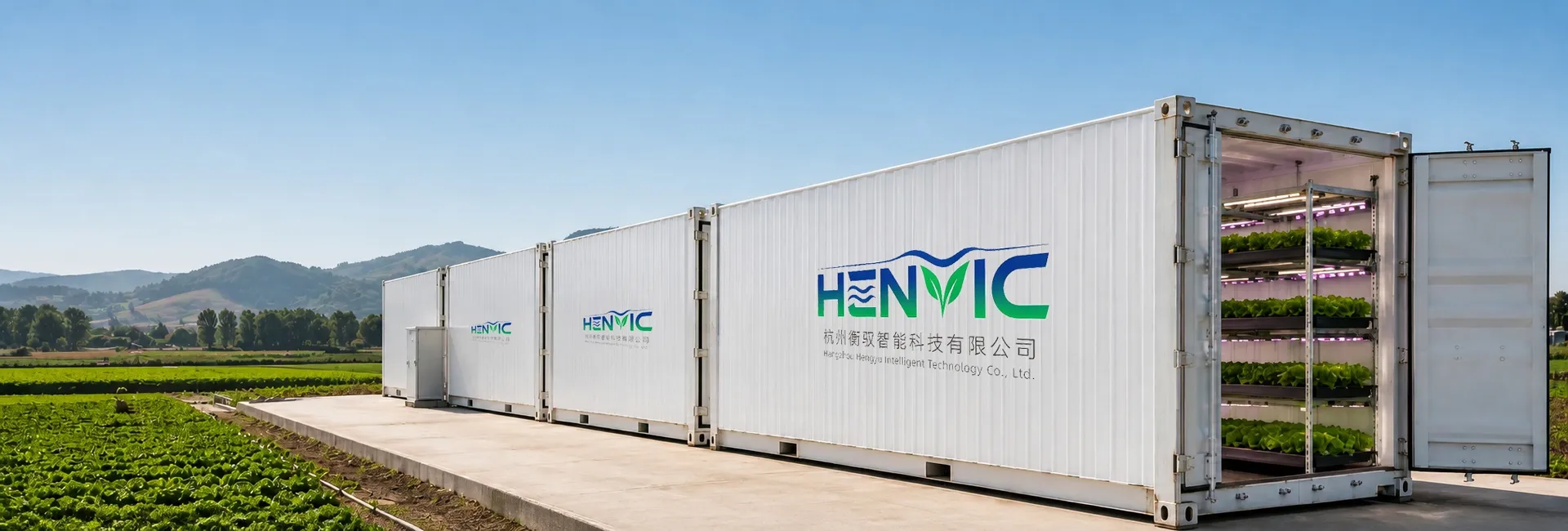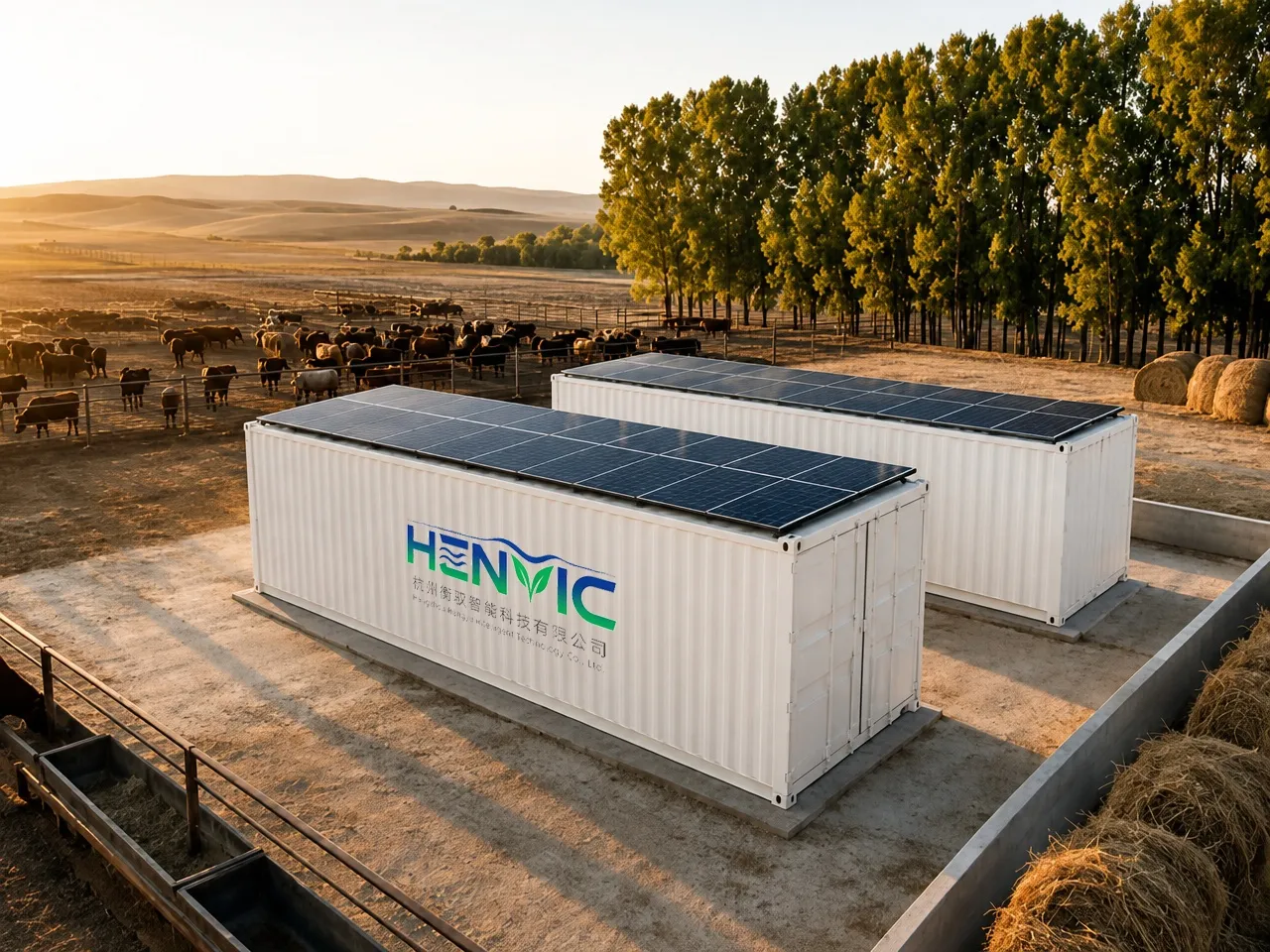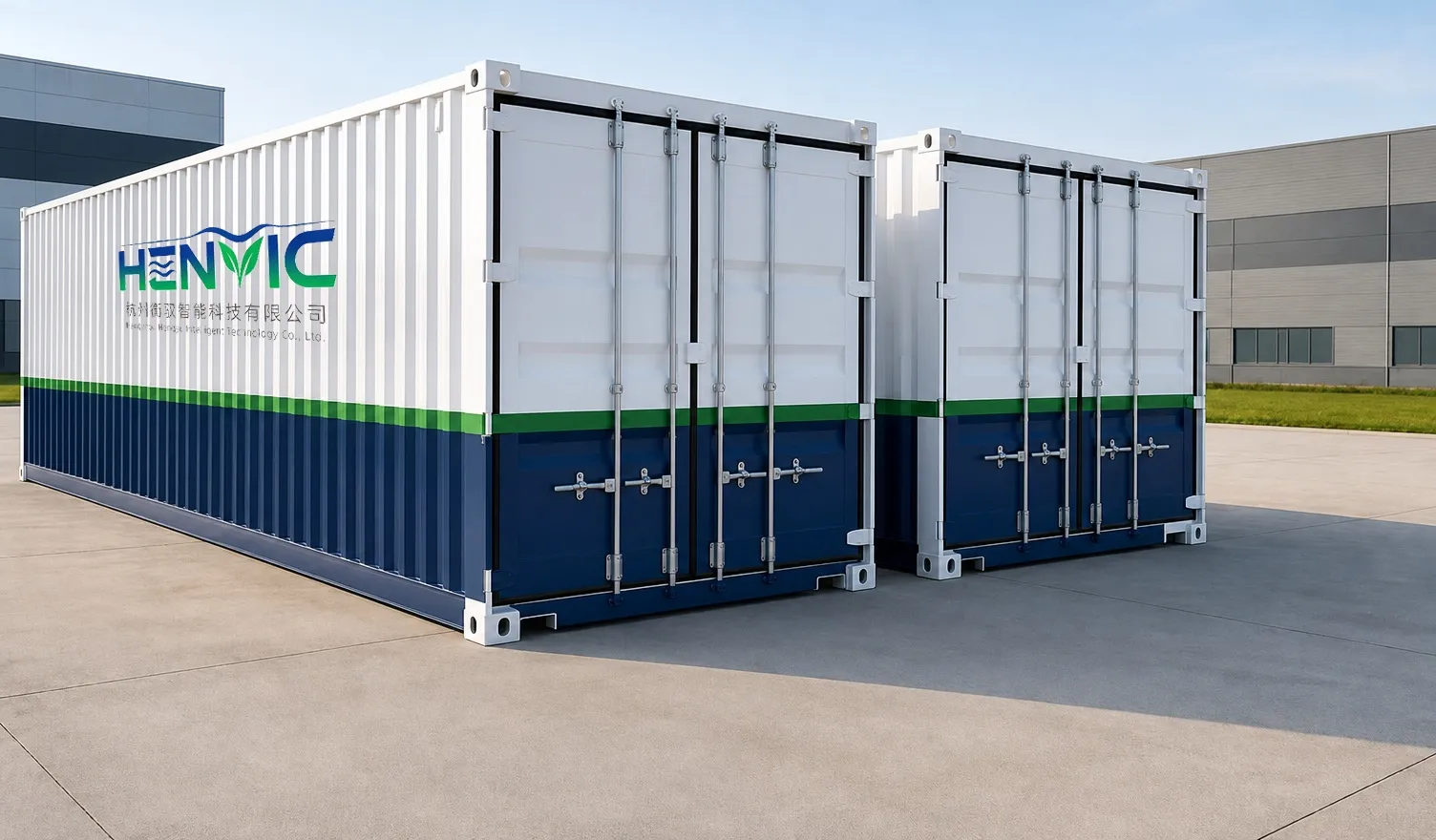
The strongest argument for the container is not volumetric efficiency. It is that the box converts a capital project into an industrial product, and industrial products can be bought in small increments.
A high-rise plant factory is a commitment: site acquisition, permits, structural work, mechanical and electrical fit-out, commissioning, and a schedule measured in years. Once the concrete is poured, changing your mind is expensive and slow. A container farm arrives complete. If the site is wrong, you move it. If the crop mix fails, you change the recipe. If the business case collapses, you sell an asset that still functions as a refrigerated box, or lease it to someone else.
That optionality has a price, and it shows up in two places. First, unit economics: a container is a small, awkwardly shaped production volume with a poor surface-to-floor ratio, so every square metre of growing area carries a disproportionate share of envelope, HVAC and control cost. Second, ceiling: because the module cannot grow beyond itself, economies of scale must be captured by replicating modules rather than by enlarging one — and replication multiplies labour and maintenance touchpoints rather than dividing them.