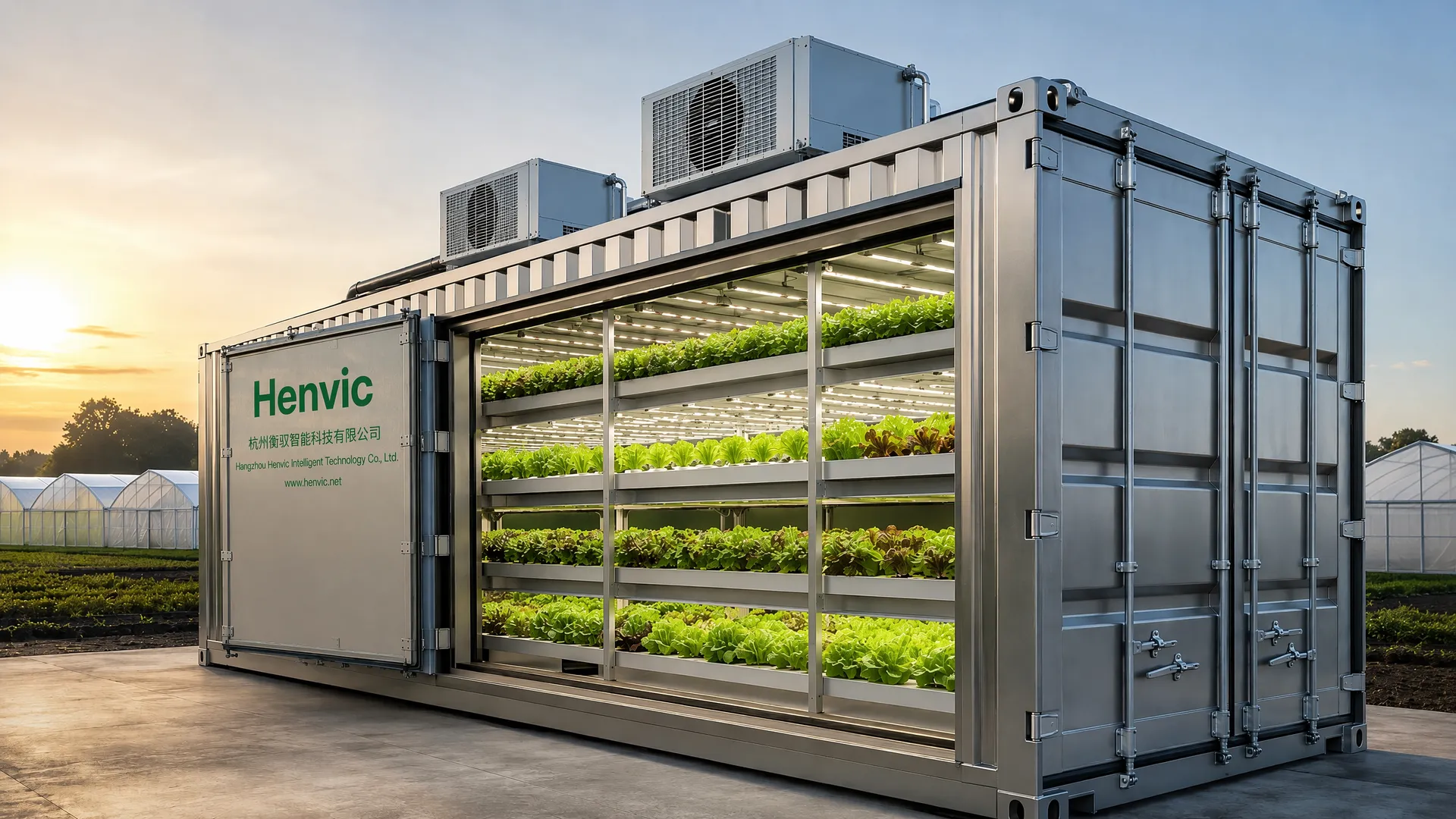
Farm Vegetable Cultivation Container
roduct Overview
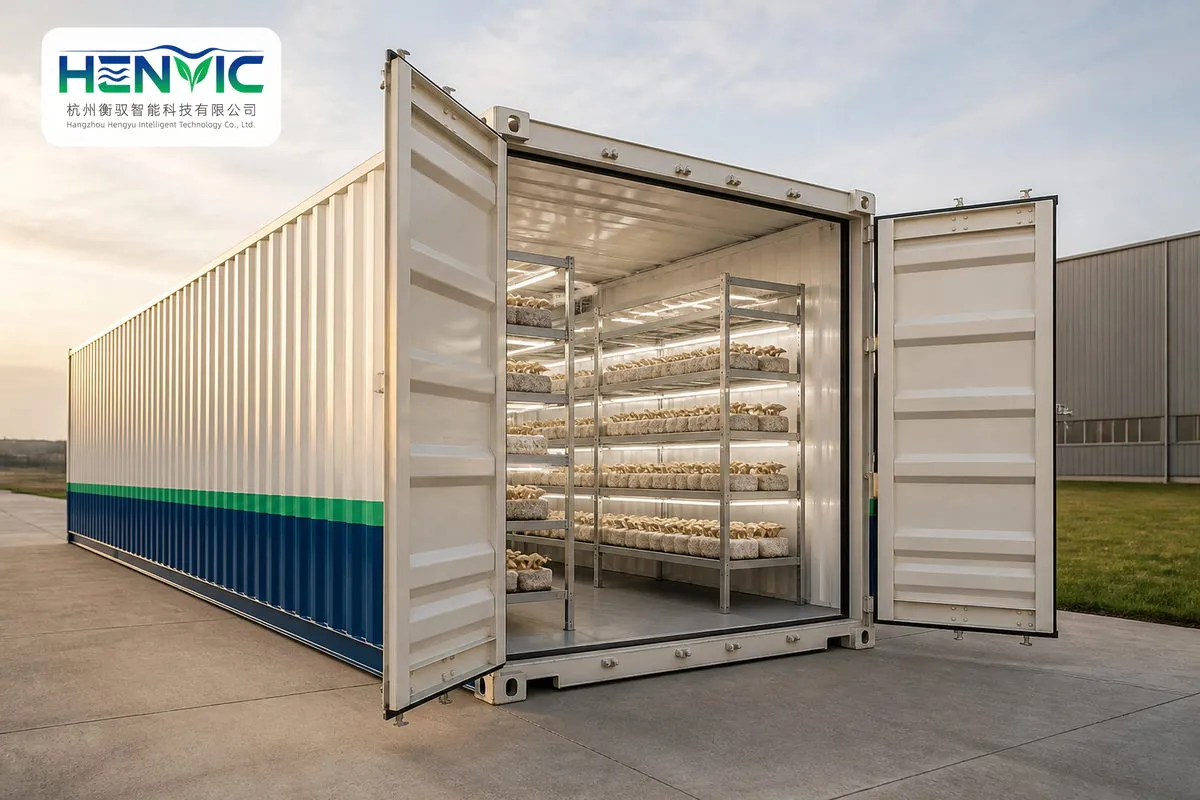
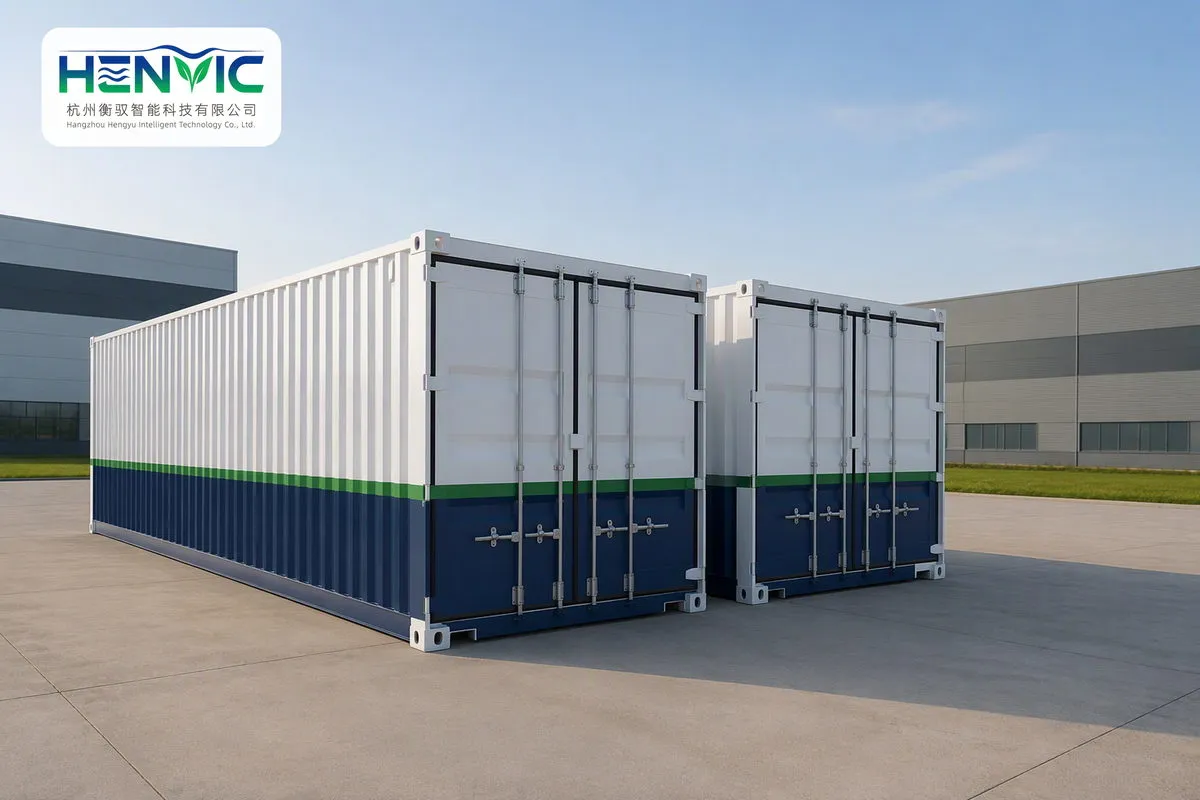
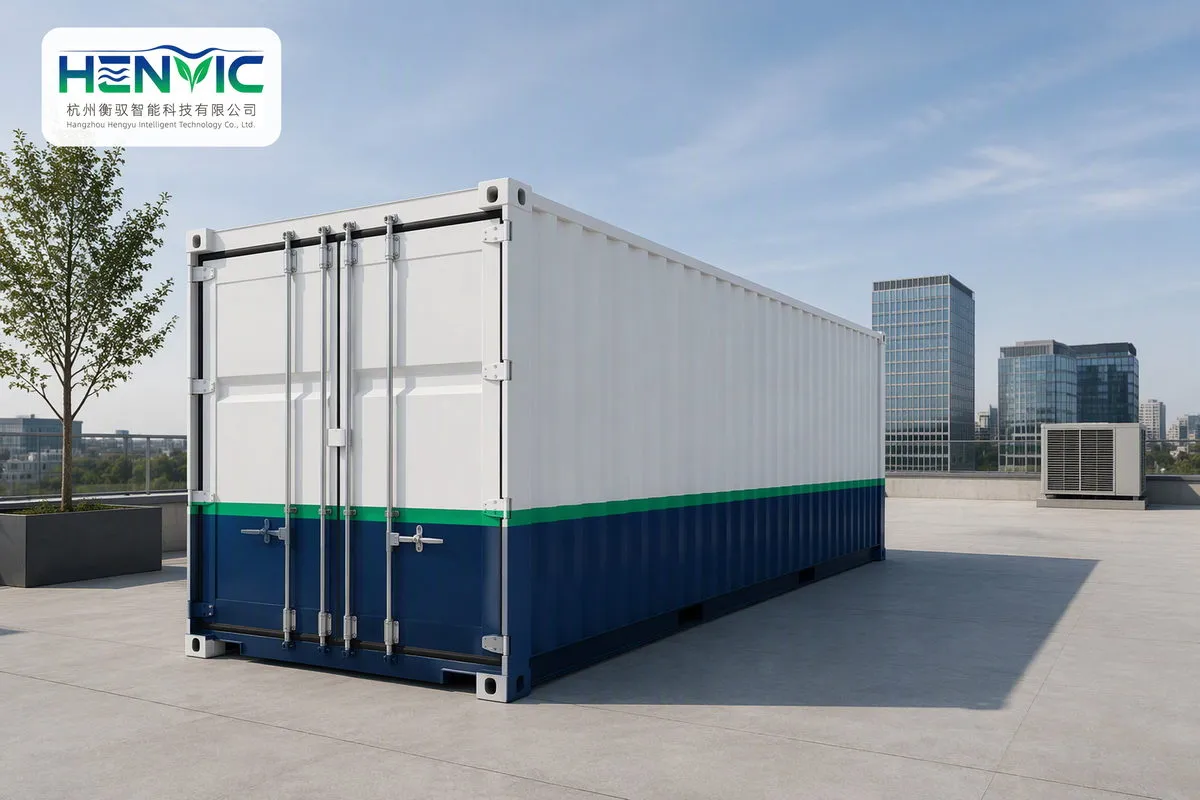
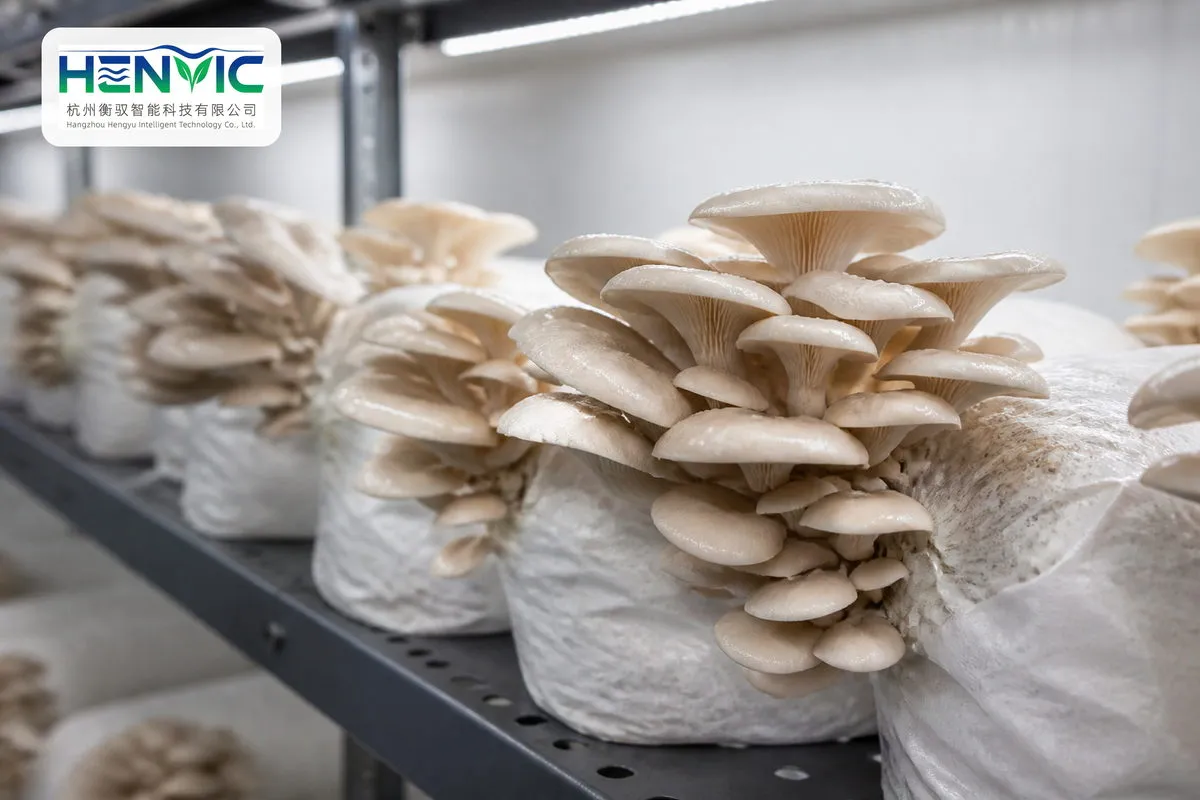
The Large Mushroom Container (full name: Fully Environmental Control Intelligent Mobile Containerized Edible Mushroom Cultivation Cabinet) is an innovative agricultural device that transforms standard shipping containers into industrial-scale mushroom cultivation facilities. It eliminates the need for dedicated factory buildings – the container can be put into operation immediately upon delivery – and is equipped with a comprehensive intelligent control system for temperature, humidity, CO₂ levels, light intensity, and ventilation. Each container can produce 8–12 batches of mushrooms per year, making it an ideal solution for the modernization of agricultural operations across various regions.
Panoramic View
Aerial view of a mushroom container farm – Six standard 40-foot white containers are neatly arranged; solar panels are installed on the top of each container, while digital environmental display screens and compressor units are mounted on the exterior of the containers. A forklift is currently loading the containerized mushrooms into a cold-chain truck.
Cross-sectional structure

Container cross-sectional schematic diagram – Clearly illustrates the container's steel structural framework, insulation layer, seven-tier stainless steel vertical cultivation racks, LED supplemental lighting strips, ultrasonic atomization piping system, fresh air ducts, and external compression unit; inside, staff wearing cleanroom garments inspect the growth status of the mushrooms.
Production Scenario

Harvest Time – Farmers display a full basket of freshly harvested oyster and shiitake mushrooms outside the cultivation box door. The open door reveals the mushrooms growing densely on the multi-tiered cultivation racks inside; the exterior of the box is equipped with an intelligent control panel and ventilation louvers.
Core Parameters
Parameter Term | specifications |
Case specifications | 40-foot standard high cabinet (12.19 m × 2.44 m × 2.89 m); supports 20-foot custom configurations. |
Enclosure material | Marine-grade weathering steel frame + polyurethane insulation sandwich panels (thickness: 75–100 mm) |
Cultivation Method | Bilateral three-dimensional cultivation trellis – 6–8 layers per side; layer spacing: 30–35 cm |
Effective cultivation area | Three-dimensional conversion: approx. 80–150 m² (40 ft²) / 40–70 m² (20 ft²) |
temperature controlling system | Integrated ceiling-mounted heating and cooling air handling unit; temperature range: 5°C – 30°C; accuracy: ±0.5°C |
Humidification System | Ultrasonic industrial atomizer × 2–4 units; atomization particle size: 5–15 μm; coverage rate: 100% |
ventilation system | Variable-frequency centrifugal fan + H13 high-efficiency filter – positive air supply, 6–15 cycles/h |
CO₂control | NDIR infrared sensor – integrates with variable-frequency fresh air system; upper and lower threshold values can be configured. |
lighting system | Full-spectrum LED strip with 0–100% dimming and independent time control for each layer |
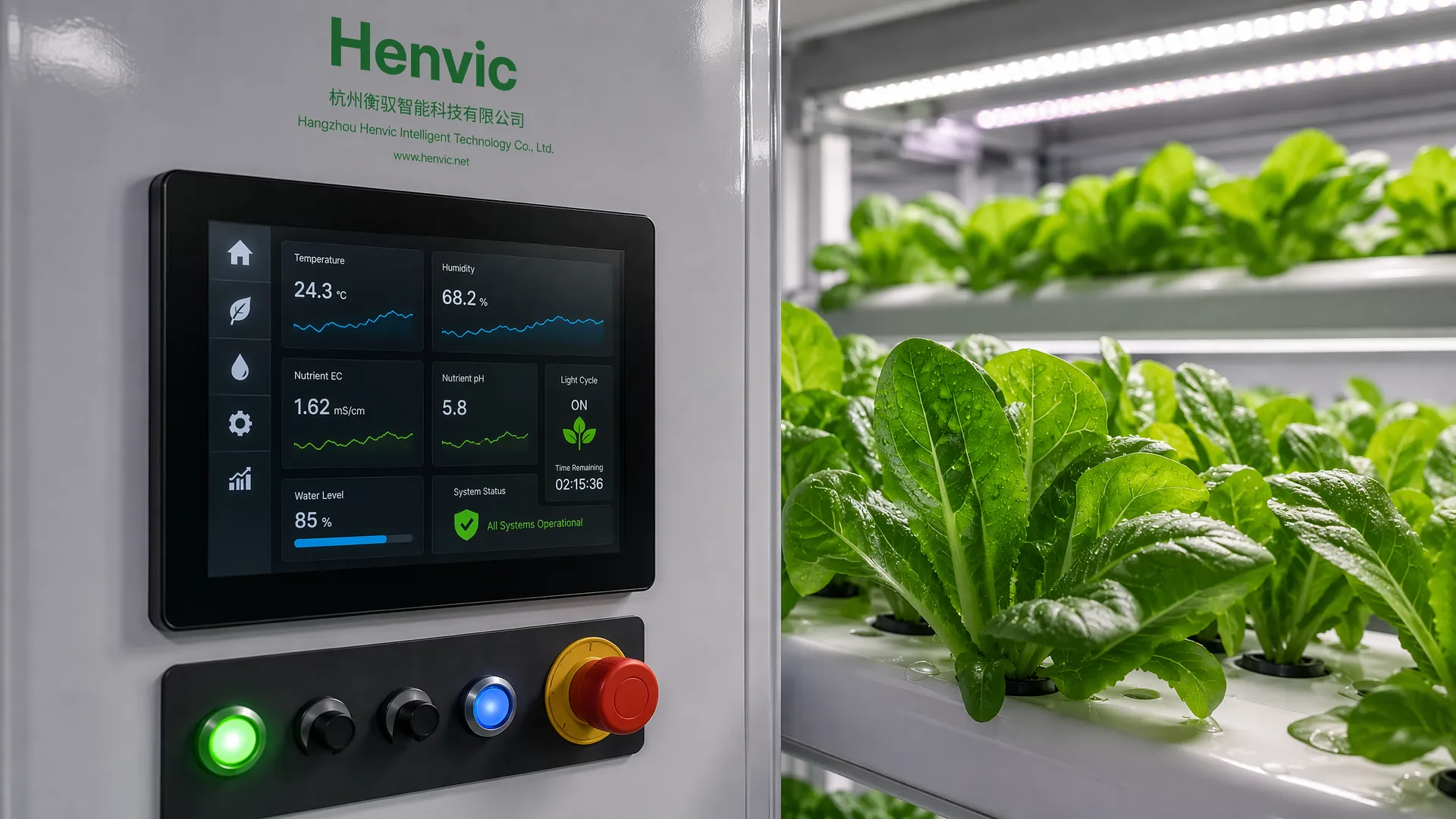
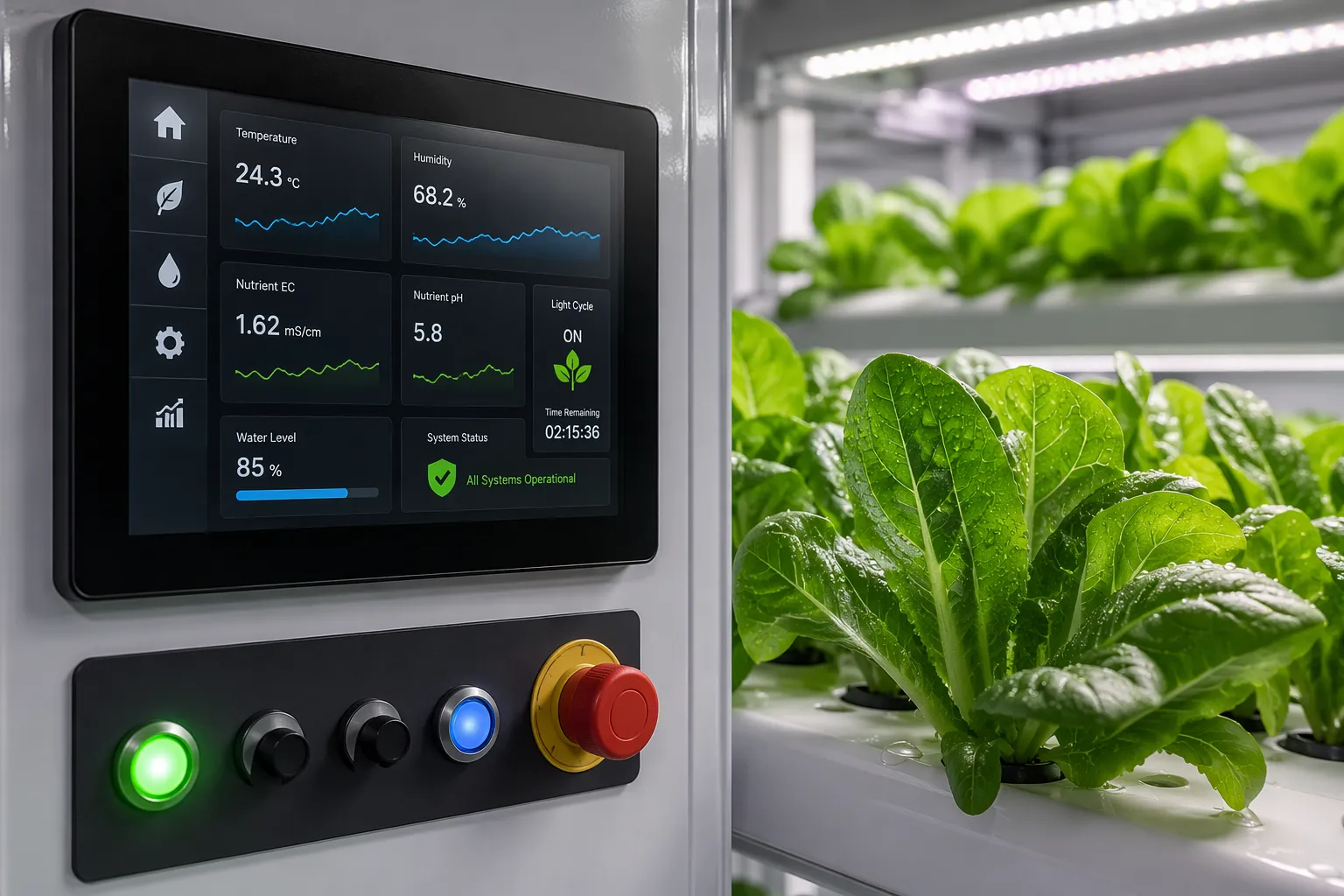
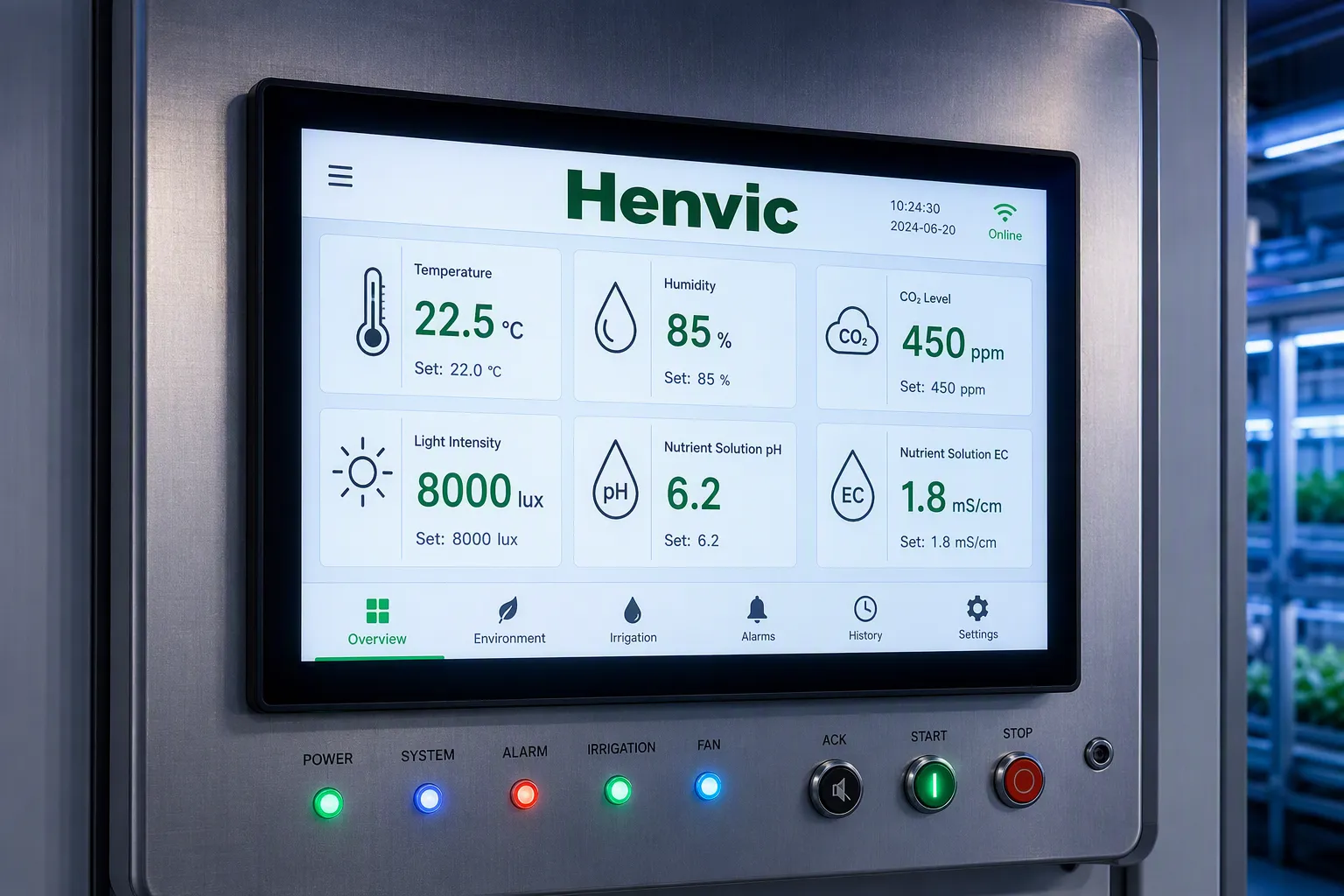
Control System | Industrial PLC + 7-inch touchscreen + 4G IoT cloud module |
telemanagement | Mobile app + PC web – Real-time monitoring / Remote control / Data retrieval / Video playback |
Alarm Function | APP push notifications + SMS alerts + Cabinet audible/visual alerts: Temperature/Humidity thresholds exceeded, device malfunction, power outage, water shortage |
Sterilization System | Ultraviolet germicidal lamp + ozone generator – programmable timed disinfection system |
Power Supply Requirements | 380 V three-phase five-wire system; installed power rating: 8–15 kW (40 ft) |
Water supply requirements | Municipal water supply – connection interface: DN15; equipped with a 200 L built-in water tank + automatic water replenishment system |
Annual production capacity | Annual yield: 8,000–12,000 tons; single-crop yield: 800–2,000 kg (depending on the fungal strain and planting density). |
Applicable bacterial strains | Oyster mushrooms, shiitake mushrooms, enoki mushrooms, king oyster mushrooms, tea tree mushrooms, lion's mane mushrooms, Ganoderma lucidum, black-spored Trametes versicolor, etc. |
type of shipping | Standard container trailer road transport – supports lifting and forklift loading/unloading. |
reference price | ¥80,000 – ¥280,000 per container (40-foot container; price subject to configuration) |
Box Structure Detailed Explanation

Growth Environment Parameters Table
growth stage | period | temperature | humidity | beam | CO₂ upper limit |
Mycelial culture phase | 20–30 days | 22-26°C | 60-70% RH | dark | 5000ppm |
latter stage of ripening | 5–10 days | 20-24°C | 65-75% RH | dark | 4000ppm |
Primordium induction phase | 3–5 days | 16-20°C | 85-95% RH | 500-1000 lux | 2000ppm |
Fruiting body growth stage | 5–15 days | 15-22°C | 85-98% RH | 800-2000 lux | 1000ppm |
picking time | 2–3 days | 14-18°C | 80-90% RH | 500-1000 lux | 1500ppm |
Note: The above values are general reference figures; specific bacterial strains may require fine-tuning. The PLC features an integrated multi-strain parameter template for one-click switching.
Core Product Advantage
1. No civil engineering required – ready to use immediately
● The standard container trailer is delivered to the designated site; once unloaded by a forklift and connected to water and power supply, the equipment is ready for operation.
● No factory construction approval required (in most regions, equipment management is applied); deployment completed within 3 days.
● The base features adjustable leveling feet, making it suitable for slightly uneven surfaces – ideal for cemented floors.
2. Portable and scalable
● Standard container corner fittings designed for road transport, lifting, and stacking.
● Flexible capacity expansion on demand: Start with a trial run of 1–2 boxes; once the profitability is verified, gradually increase capacity on a monthly basis.
● Cross-regional relocation is convenient and不受 the constraints of fixed factory premises.
3. Fully closed-loop intelligent environmental control system
● PLC + IoT dual-control architecture – loss of network connectivity does not affect local automated operation.
● Built-in one-click parameter template for commonly used mushroom species such as Pleurotus ostreatus, Shiitake mushrooms, Enoki mushrooms, and Pleurotus eryngii.
● Multi-point redundant sensor deployment ensures that a single-point failure does not affect system operation.
4. High-density立体 cultivation
● Dual-sided 6–8-tier cultivation racks; the three-dimensional planting density is 5–10 times higher than that of traditional greenhouses.
● Each layer receives independent lighting and atomization coverage, ensuring high consistency in mushroom growth across all layers.
● A 80 cm bilateral operating channel is provided, enabling a single operator to perform routine inspections and harvesting tasks.
5. Fully enclosed clean production environment
● H13 high-efficiency filtration for positive-pressure air supply, effectively preventing the entry of external contaminants and pests.
● Polyurethane insulated sandwich panel + sealed door – effectively eliminates external temperature and humidity interference
● Automatic UV + ozone disinfection; one-touch cleaning during crop rotation intervals
6. Data-Driven Cultivation Optimization
● Cloud-based full-scale storage for all environmental data batches, supporting batch-based and multi-dimensional queries by strain.
● Correlation analysis between yield and environmental parameters; stepwise iterative optimization of cultivation practices
● Supports aggregated comparison of multiple boxes of data, enabling rapid identification of differences between high-yield and low-yield boxes.
Comparison with traditional models
dimension | Mushroom Container | Traditional greenhouse | Fixed industrial buildings |
Construction Period | 3-Day Deployment | 1–3 months | 3–6 months |
Civil engineering requirements | Simply harden the floor. | A shelter structure needs to be constructed. | Comprehensive civil engineering works required |
mobility | Can be transported as a whole unit | Non-mobile | Non-mobile |
extended mode | Additional shipment per box | New greenhouse construction | Construction of new factory buildings |
environmental control | Fully automatic precision | Extensive/ Semi-automatic | Fully automatic precision |
Contaminant risk | Ultra-low (Fully Enclosed) | Higher (Open) | Low (Closed) |
Yield per unit area | ★★★★★ | ★★☆ | ★★★★★ |
seasonal effect | Open 24/7 | Winter and Summer Restrictions | Open 24/7 |
Single-box investment | ¥80,000–280,000 | ¥10,000–30,000 (Small shed) | ¥800,000–1,500,000 per sq m |
Suitable scale | Flexible (Starting from 1 box) | small-scale | large-scale |
Quick Investment Return Calculation
Take the cultivation of shiitake mushrooms in a 40-foot container as an example:
project | data |
equipment investment | ¥120,000–180,000 (including installation and commissioning) |
Number of cropping seasons per year | 10–12 months |
Single-crop yield | 1300-2000kg |
Annual total production | 13–24 tons |
Oyster mushroom wholesale price | ¥6-10/kg |
annual output value | ¥78,000 – ¥240,000 |
Annual operating cost | ¥30,000–50,000 (Fungus bags + Electricity + Water + Packaging) |
annual net profit | ¥48,000 – ¥190,000 |
capital pay-off time | 1–2.5 years |
Note: The above represents an industry reference range. If high-value fungal strains (e.g., Hericium erinaceus, Ganoderma lucidum, etc.) are cultivated, the output value can be doubled.
Multi-Cluster Solution
Scale | Number of boxes | Configuration Recommendations | Annual production capacity (shiitake mushrooms) | total investment |
Trial Planting Level | 1–2 boxes | 1 Part-time management role | 13–48 tons | ¥120,000–350,000 |
Small Farm | 4–6 boxes | 1 full-time employee + Centralized Monitoring Platform | 50–144 tons | ¥450,000–1,000,000 |
Medium-sized farm | 10–20 boxes | 2–3 people + Cold Storage + Packaging Line | 130–480 tons | ¥1–3 million |
Large-scale base | 30–50 boxes | 5–8 people + Central Control Room + Cold Chain | 390–1200 tons | ¥3,000,000–¥8,000,000 |
Multiple container clusters are uniformly integrated into a cloud platform for centralized management; all container statuses are displayed on a single screen in real time, significantly reducing management costs.
frequently asked questionsFAQ
Q: What are the requirements for a container yard?
Q: Is transportation and installation complicated?
Q: Can it be used in regions with temperatures below zero in winter?
Q: Can only one type of fungus be grown per box?
Q: Where does the seed bag come from? How do you rotate the planting cycles?
Q: Are there any government subsidies?
This article is based on a comprehensive compilation of multi-channel product information; the images are AI-generated illustrative examples. The actual product appearance and specifications are subject to the official announcements made by the respective brand manufacturers.
A: Mushroom cultivation in containers falls under the categories of facility agriculture and smart agriculture; many regions offer dedicated subsidies or agricultural machinery purchase subsidies. We recommend consulting your local agricultural and rural affairs bureau in advance.
Q: Where does the seed bag come from? How do you rotate the planting cycles?
A: Equipment manufacturers typically recommend direct supply from partner bacterial bag manufacturers. During crop rotation, empty the old bags and activate the ozone disinfection mode for 2 hours; new bags can then be loaded the following day to resume production.
Q: Can only one type of fungus be grown per box?
A: It is recommended to use a single container for a single variety (to avoid conflicts in temperature and humidity requirements). Multiple-container clusters allow for the simultaneous cultivation of multiple varieties—for example: Container A for straw mushrooms, Container B for enoki mushrooms, and Container C for猴头菇.
Q: Can it be used in regions with temperatures below zero in winter?
A: Yes. A 75–100 mm polyurethane insulation layer combined with heating or cooling air conditioning systems can maintain a constant indoor temperature across an external temperature range of –15°C to 45°C.
Q: Is transportation and installation complicated?
A: Standard container trailers are available nationwide; for remote areas, please confirm the road height and width restrictions. Upon arrival, the container will be unloaded using a forklift, utilities will be connected, and the unit will be started and commissioned – it can be operational within 2 days.
Q: What are the requirements for a container yard?
A: Requires only a level, hardened floor surface, 380V three-phase power supply, and tap water supply. Each unit occupies approximately 35 m² (including front and rear operation space). No construction permit is required (in most regions, it is treated as a mobile piece of equipment