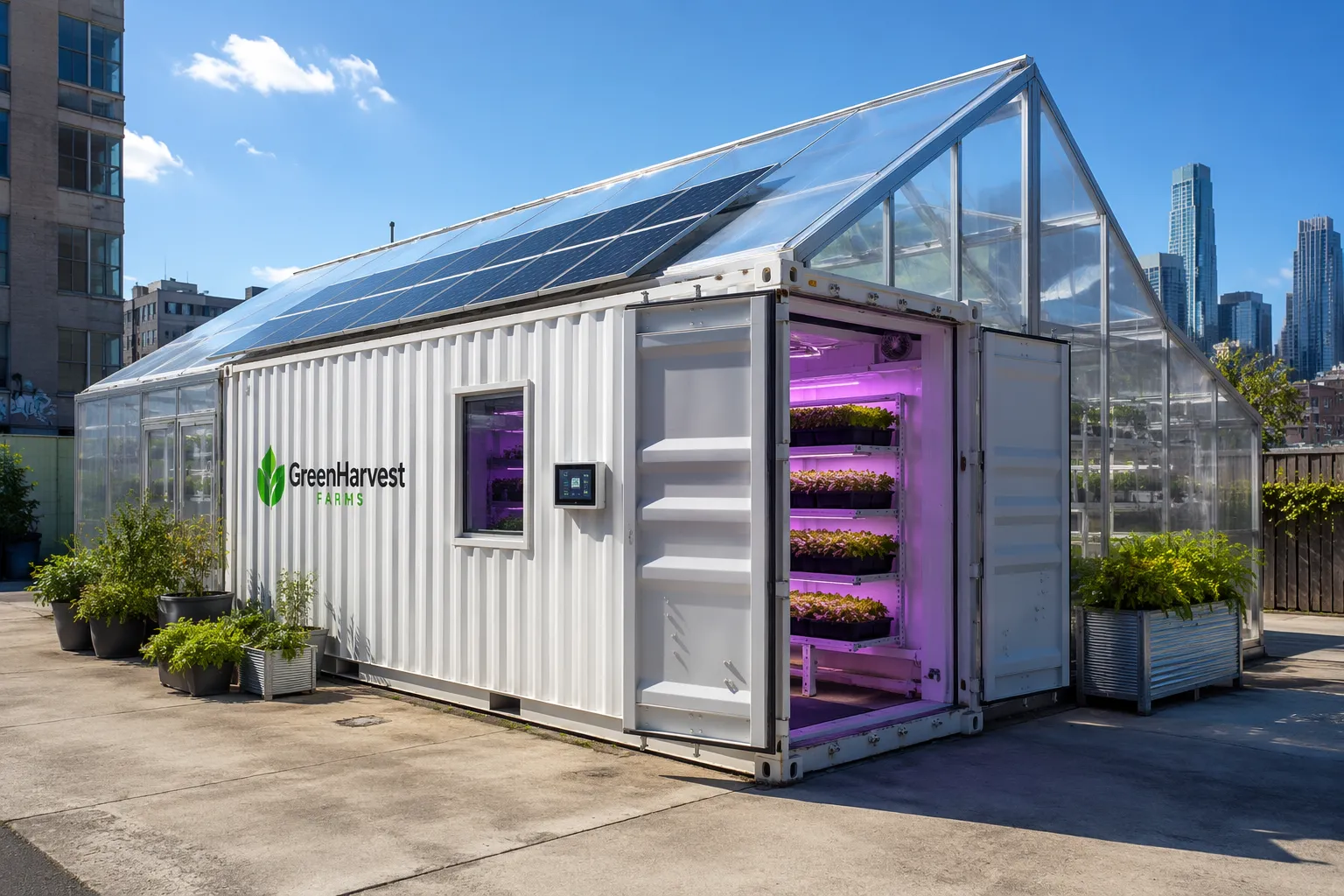
Pioneering the Future of Farming: Large-Scale Vegetable Cultivation Containers
Introduction
In a world grappling with the dual challenge of feeding an ever-growing global population while safeguarding our planet's limited resources, the agricultural sector finds itself at a pivotal crossroads. Enter the era of Large-Scale Vegetable Cultivation Containers, an innovative farming methodology that promises to revolutionize traditional agriculture by offering a sustainable, efficient, and scalable solution. This article explores the intricacies, benefits, and future implications of this groundbreaking technology, highlighting its potential to transform food production practices worldwide.
Technological Innovation Unveiled
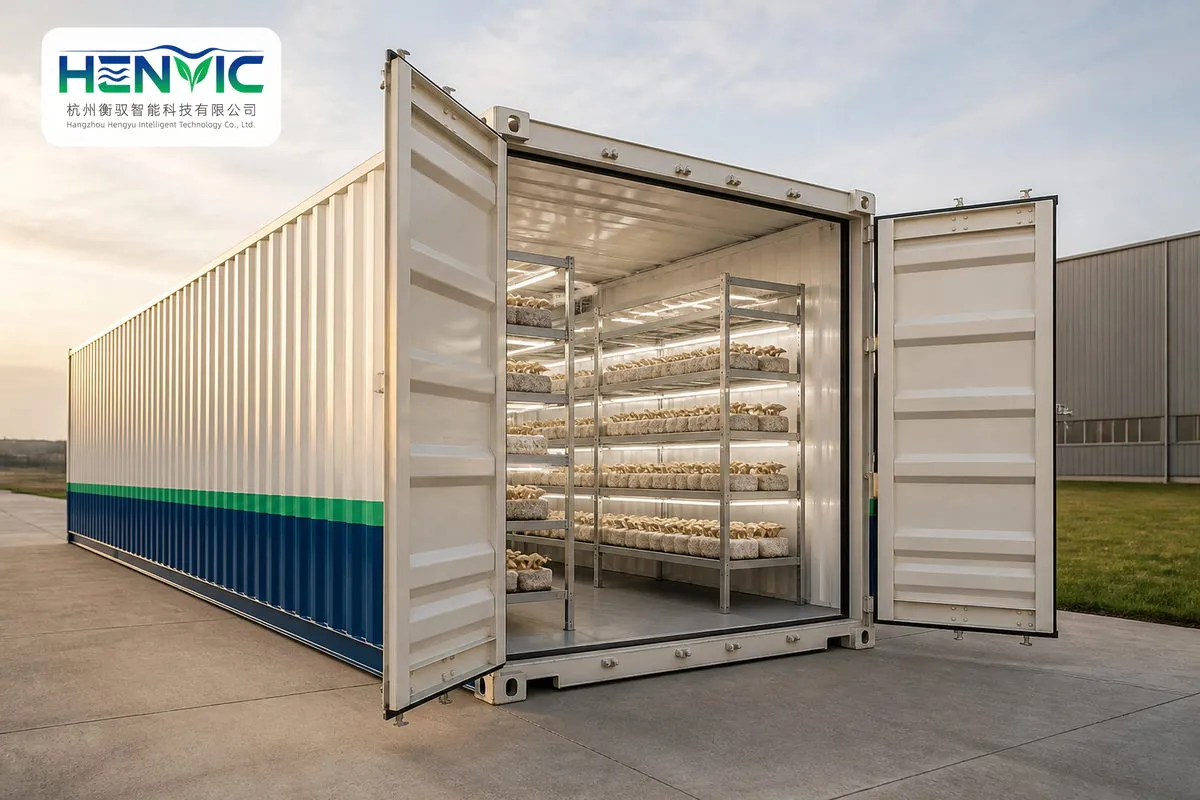
Large-scale vegetable cultivation containers are essentially controlled environment agriculture systems, designed to optimize every aspect of plant growth. Unlike conventional farming, which relies on vast expanses of land and is vulnerable to weather fluctuations, these containers create a microcosm where every variable—temperature, humidity, light, water, and nutrition—is meticulously regulated to maximize yield and quality.
Key Components of Container Farming
Advanced Climate Control: Equipped with state-of-the-art sensors and automated systems, these containers maintain ideal growing conditions year-round, eliminating the risks associated with seasonal changes and unpredictable climates.
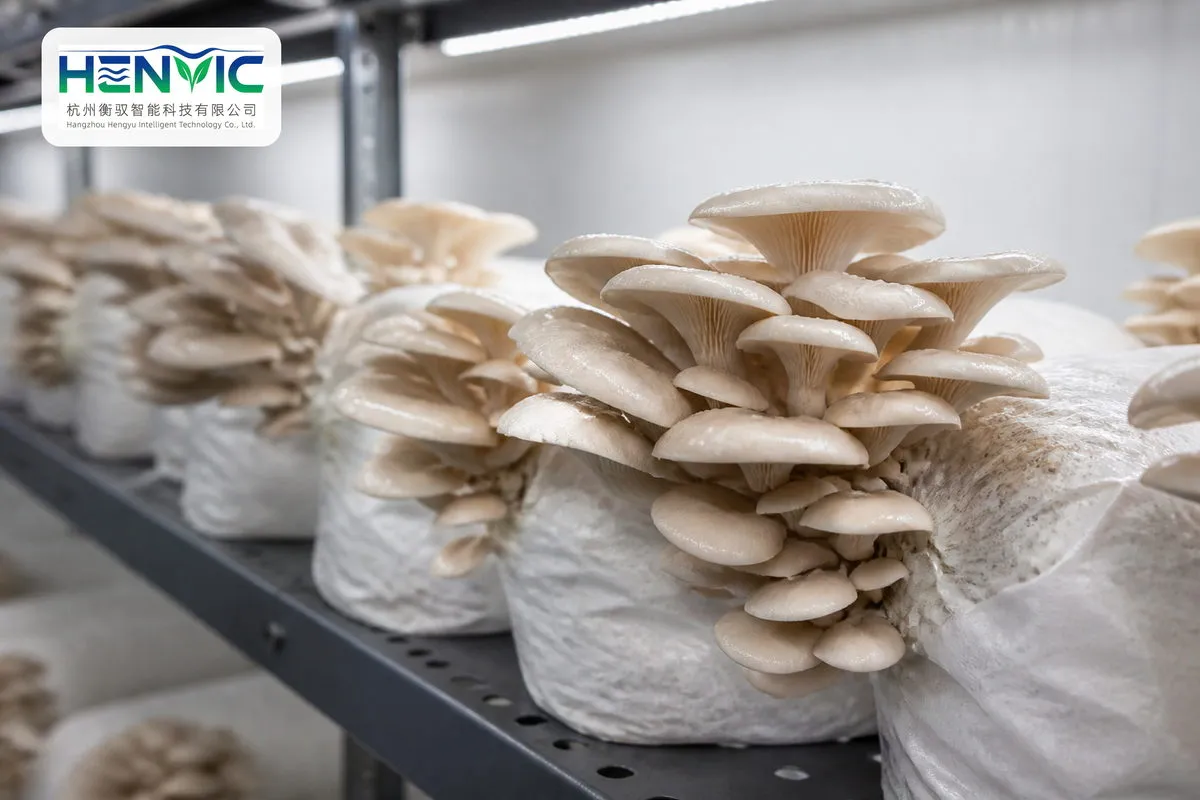
Hydroponic and Aeroponic Systems: By cultivating vegetables without soil, these methods conserve water and reduce the need for pesticides and herbicides, promoting organic growth and significantly reducing environmental impact.
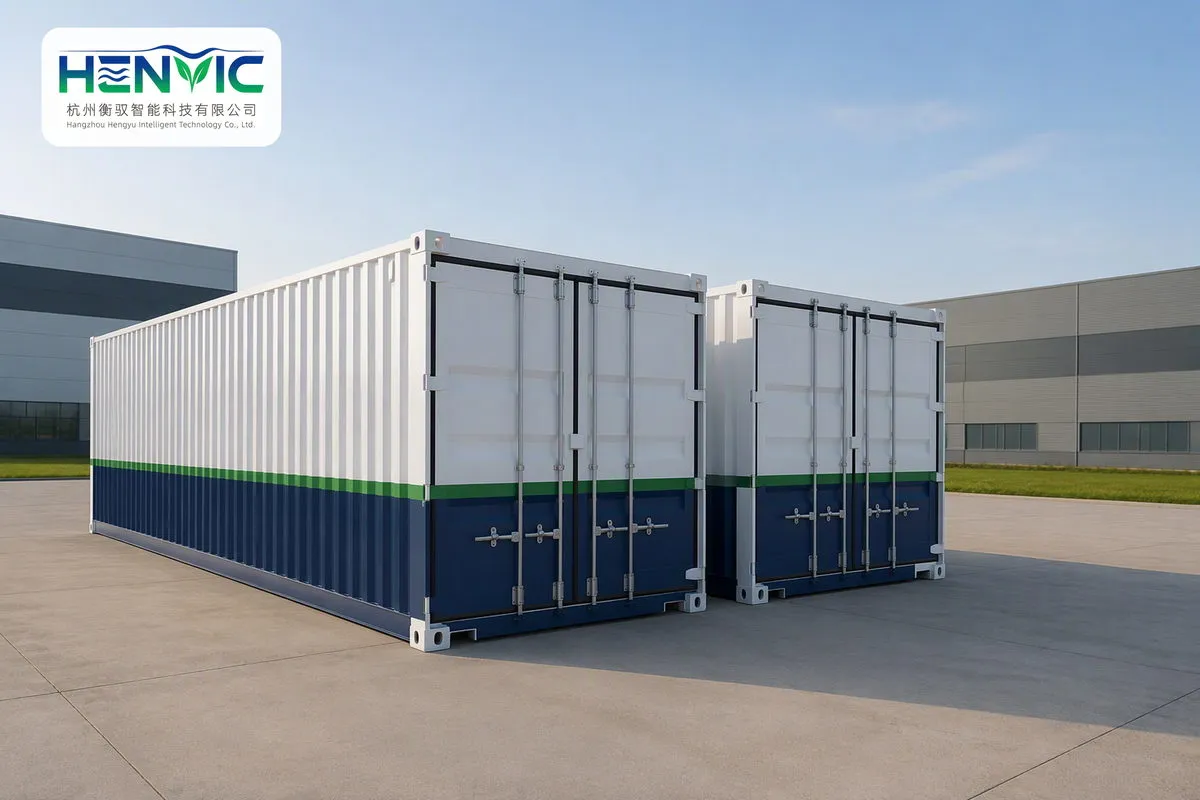
Vertical Stacking and Space Optimization: Containers can be stacked vertically or arranged in compact clusters, enabling high-density farming that maximizes space utilization—a critical advantage in urban areas where land is scarce.
Digital Management and IoT Integration: Through the integration of the Internet of Things (IoT), farmers can monitor and adjust growing conditions remotely, enabling precise management and reducing labor costs. Data analytics further enhance decision-making, optimizing crop performance.
Benefits of Large-Scale Container Farming
Increased Efficiency: By eliminating external uncertainties, container farming ensures consistent and predictable yields, significantly increasing productivity per square meter compared to traditional farming.
Water Conservation: Hydroponic and aeroponic systems use up to 90% less water than traditional irrigation, a crucial step towards water sustainability in drought-prone regions.
Reduced Environmental Impact: The closed-loop systems minimize the use of chemicals, preventing soil and water pollution, and fostering ecological balance.
Year-Round Availability: Consumers enjoy a steady supply of fresh, locally grown produce regardless of the season, enhancing food security and reducing reliance on long-distance transportation.
Profitability and Scalability: The potential for rapid expansion and the ability to produce high-value crops in urban settings make container farming an attractive business model, capable of responding swiftly to market demands.
Challenges and Overcoming Them
While promising, large-scale container farming is not without its hurdles. High upfront costs, the need for technical expertise, and energy consumption are among the primary challenges. However, ongoing research and development, coupled with government incentives and public-private partnerships, are driving down costs and improving efficiency. Educating farmers and stakeholders about the benefits and operation of these systems is also crucial for widespread adoption.
The Future Landscape
Looking ahead, the integration of Artificial Intelligence (AI), machine learning, and renewable energy sources will further enhance the capabilities of container farming. Innovations such as AI-driven predictive maintenance, autonomous harvesting robots, and sun-tracking solar panels promise to make the technology more sustainable, efficient, and accessible.
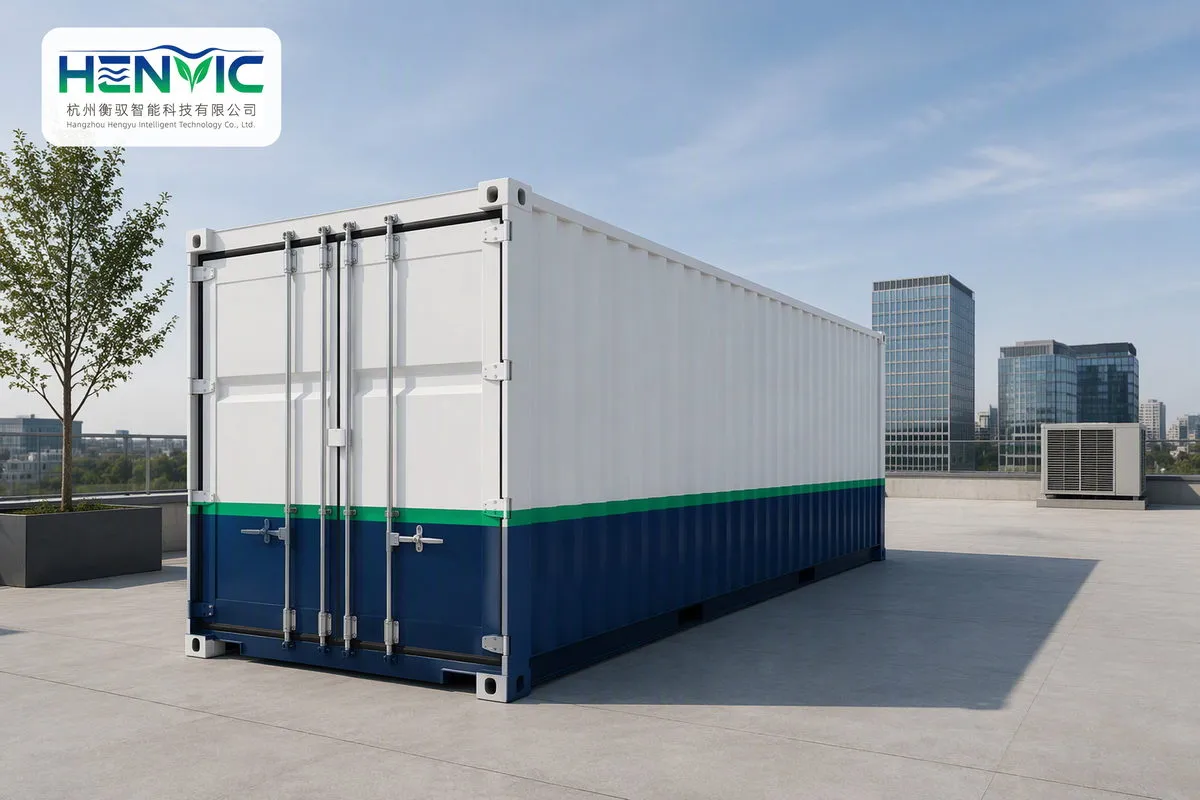
Moreover, as urbanization continues, container farming offers a viable solution for transforming underutilized urban spaces into productive agricultural hubs, bringing fresh produce closer to consumers and reducing the carbon footprint associated with long-distance food transport.
Conclusion
Large-scale vegetable cultivation containers represent a beacon of hope in the quest for sustainable food production. By combining cutting-edge technology with environmental stewardship, they offer a path to a future where agriculture is resilient, resource-efficient, and capable of meeting the demands of a growing population without jeopardizing the planet's health. As we embrace this agricultural revolution, the journey towards a food-secure world becomes not only a possibility but a tangible reality, one container at a time.