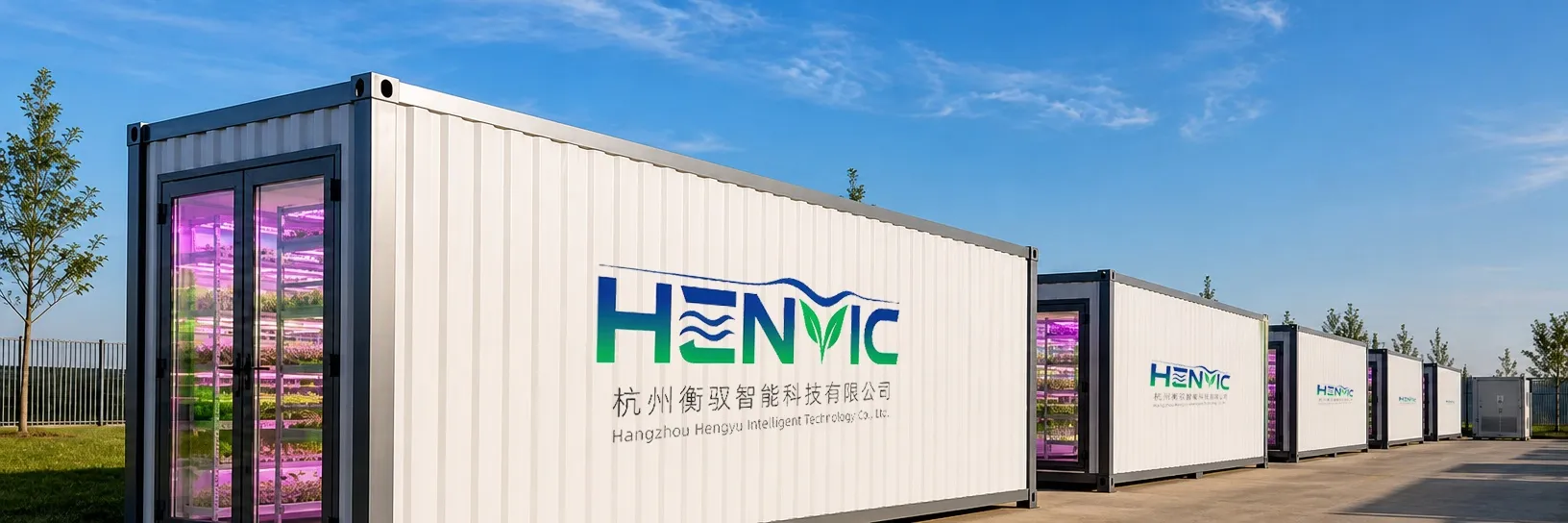
Container Farm:40 ft Vegetable Container Farm Hydroponic Barley Fodder Programme
PRODUCT OVERVIEW
The container breaks Hydroponic Barley Fodder production into manageable steps: nursery or direct seeding, transplant, light recipe, nutrient control and harvest. Each step has a defined zone and record, so a new operator can follow the process card.
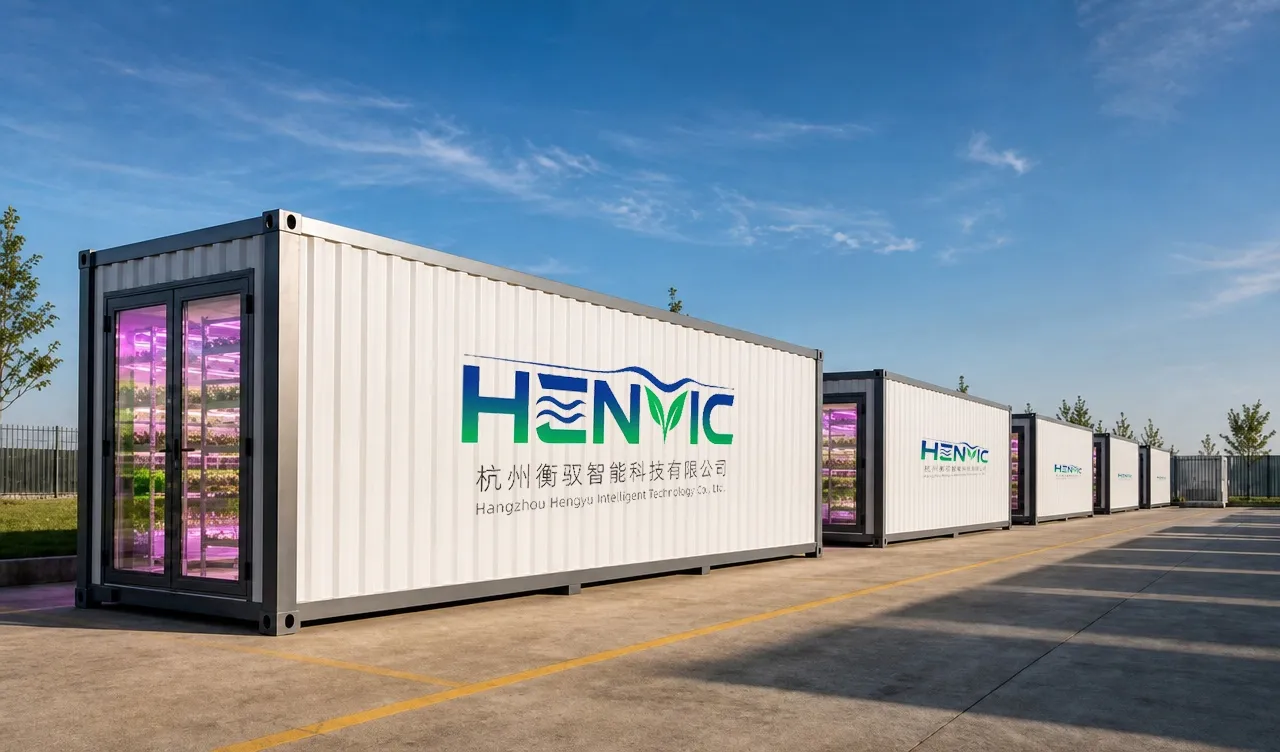
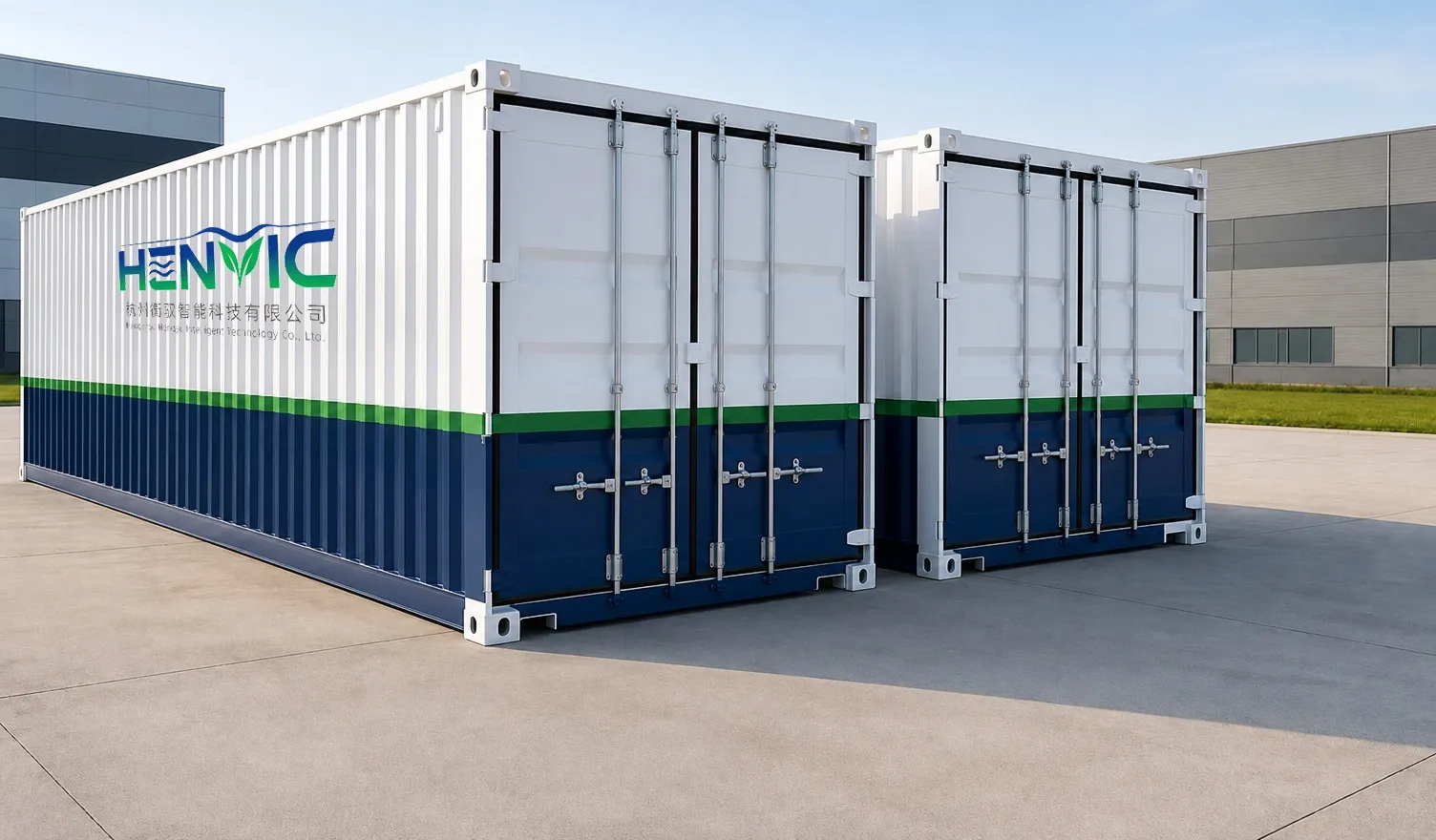
The ISO 40 ft footprint ships on a standard flatbed and sets with a forklift or spreader; the site needs only a hardstanding, power and water.
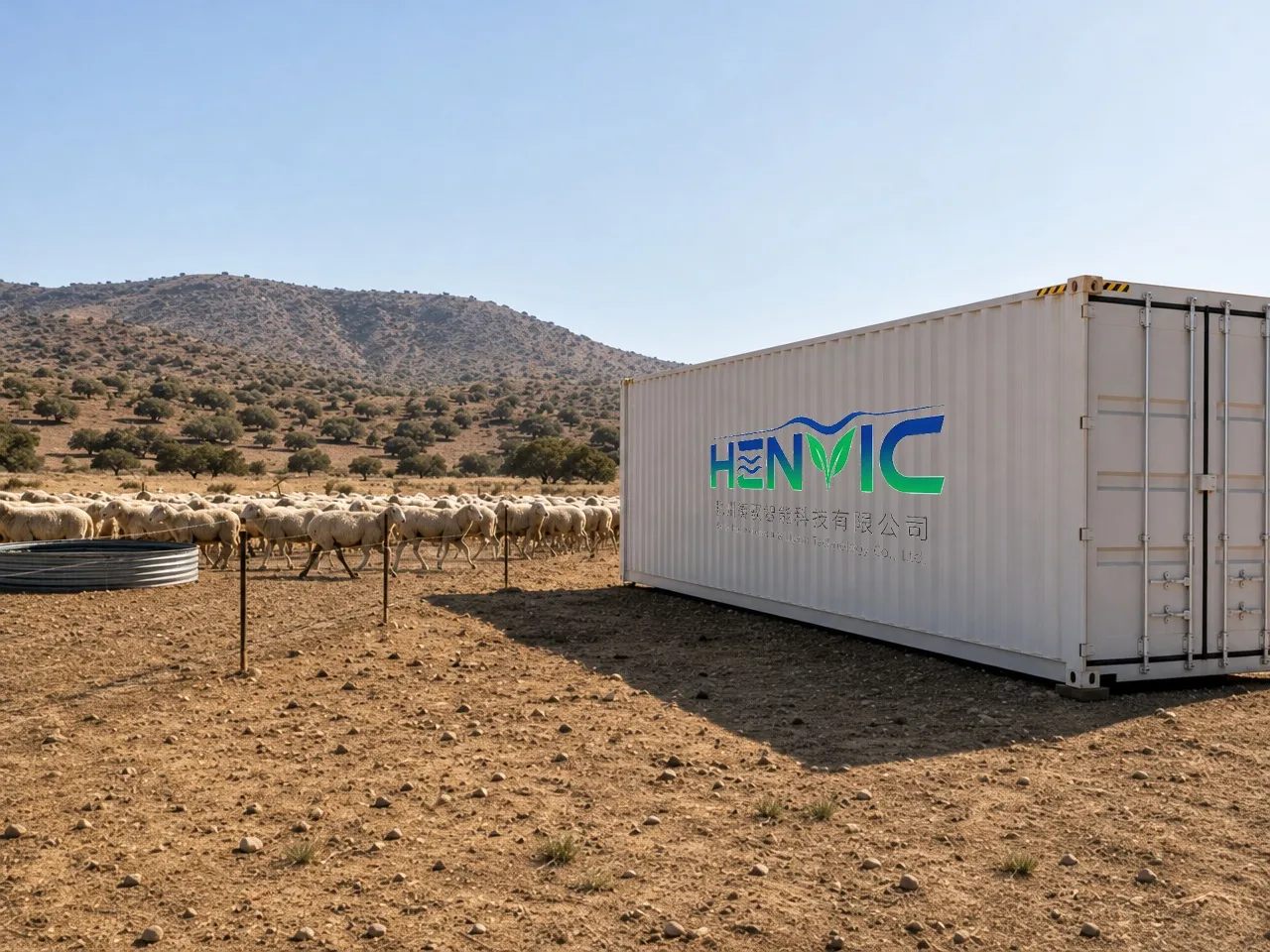
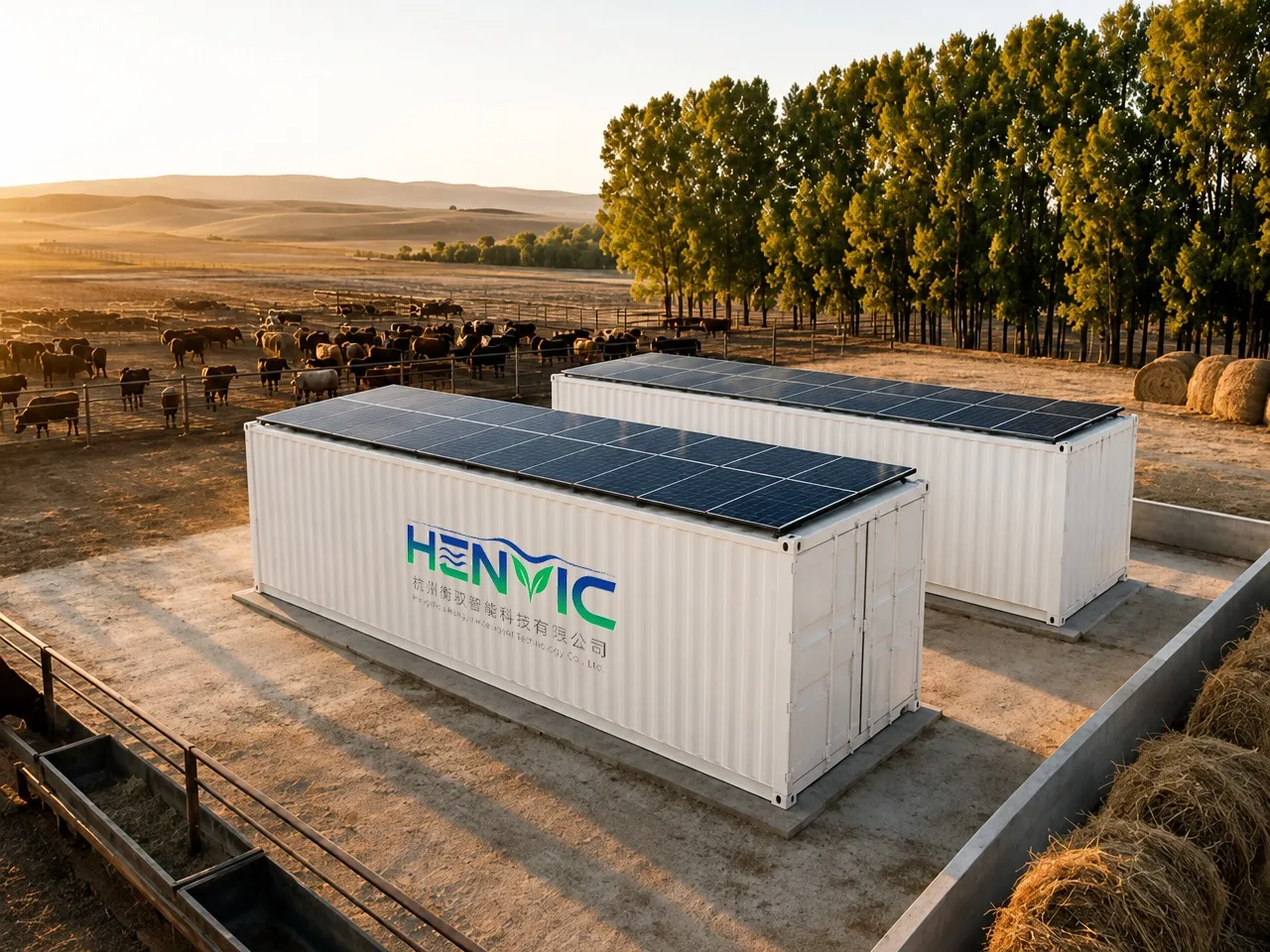
Produces roughly 400 - 500 kg of fresh fodder per day, enough to supplement about 320 sheep or 40 cattle.
Agri-tourism projects turn the 7 - 8-day Hydroponic Barley Fodder cycle into a visitor route, showing a growing crop rather than packaged produce on a shelf.
CROP AND OUTPUT DATA
Variety | Hydroponic Barley Fodder (Fodder) |
Growing cycle (transplant to harvest) | 7 - 8 days |
Unit weight | marketable weight |
Plants per cycle | approx. 3,300 - 5,800 |
Yield per cycle | 2,800 - 3,500 kg |
Cycles per year | 45 - 52 |
Annual output (estimate) | 126,000 - 182,000 kg |
Propagation | Direct seeding |
Crop difficulty | Easy |
Figures follow the 40 ft standard container baseline with about five growing tiers. Yield per cycle and annual output are estimates; actual results vary with tier count, light recipe, CO2 level and crop management.
KEY ADVANTAGES
· The insulated envelope with fresh air and dehumidification holds recipe conditions all year.
· Rated Easy in difficulty and run from process cards, the crop is workable by general staff.
· CO2 held at 800 - 1,200 ppm keeps photosynthetic efficiency stable.
· 45 - 52 cycles a year keep the same unit producing continuously without a seasonal break.
· At 15 - 30 kg of fresh greens a day, one unit matches a mid-sized restaurant or community scheme.
· Seedlings account for roughly 5 - 12% of operating cost, keeping the cost structure transparent.
· 3,300 - 5,800 plants per cycle and 2,800 - 3,500 kg per cycle make output plannable against contracts.
· The closed hydroponic loop uses far less water than soil culture, which suits water-scarce sites.
CONTAINER CONFIGURATION
Footprint | 12.19 x 2.44 x 2.90 m (40 ft ISO container) |
Growing system | Approx. 5 tiers, hydroponic or aeroponic |
Scale per cycle | 3,300 - 5,800 plants |
Temperature | 18 - 24 °C, set per variety |
Relative humidity | 60 - 75% |
CO2 concentration | 800 - 1,200 ppm |
Lighting | LED recipe, dimmable per tier |
Nutrient solution | Closed loop with automatic EC and pH control |
Energy reference | 0.8 - 1.2 kWh per kg of fresh greens; electricity about 60 - 70% of operating cost |
Control and monitoring | PLC, touchscreen HMI, remote monitoring and alarms |
Delivery | Pre-commissioned at the factory, set and connected on site |
CLIMATE AND CONTROL
CO2 control interlocks with ventilation: enrichment during the light period lifts photosynthesis, while night ventilation controls humidity and prevents leaf-surface condensation.
The controller stores recipes by variety - temperature, humidity, photoperiod, irrigation frequency and nutrient targets - called up as a set. Changing crops loads a new recipe while batch history is retained.
CULTIVATION AND SCHEDULING
The nutrient recipe shifts by stage: lower EC after transplant to encourage rooting, higher potassium and calcium later, and tighter water before harvest to improve shelf life.
The standard schedule assumes a 40 ft unit with about five tiers: plant one batch and harvest one batch each week, giving 45 - 52 Hydroponic Barley Fodder cycles a year. Adjust to order structure and harvest labour.
DELIVERY, TRAINING AND SERVICE
Training centres on four tasks: planting and harvest, nutrient maintenance, recipe calls and common alarms. Most teams run shifts independently within a week.
Consumables are stocked regionally - filters, nutrient salts, plug trays and channel parts - with standard items shipped within five working days.